Bingo and Probability: Understanding the Role of Chance in the Game

Bingo and Probability: Understanding the Role of Chance in the Game
Bingo has long been a favorite pastime across the United States — from church basements and community centers to casinos and online platforms. It’s a game that blends excitement, social connection, and a healthy dose of luck. But how much of bingo is truly random, and is there any way to improve your odds? To answer that, we need to take a closer look at the role of probability in the game.
A Game Built on Randomness
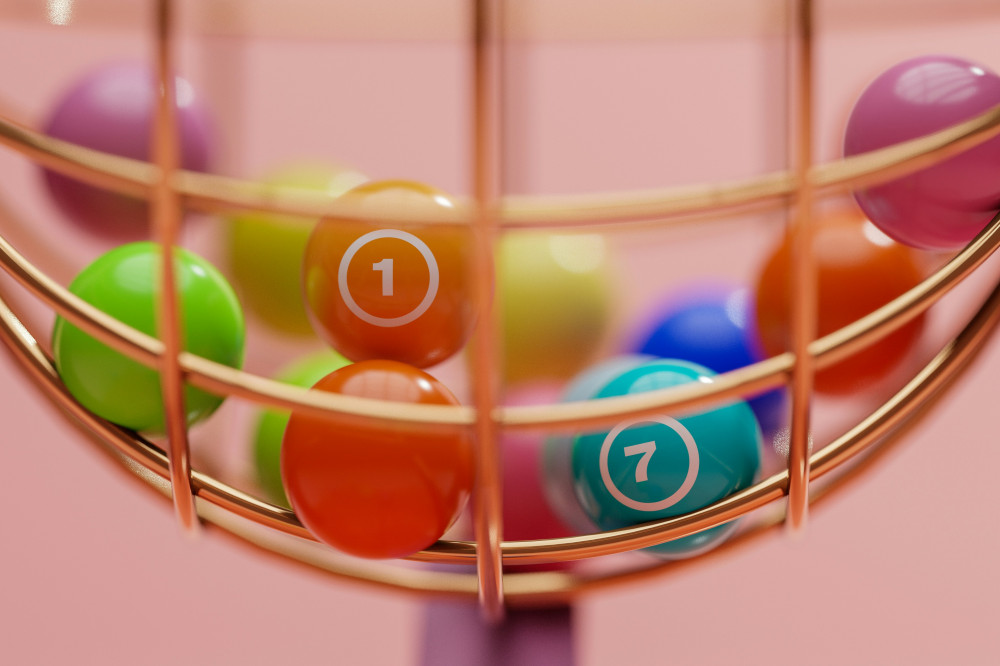
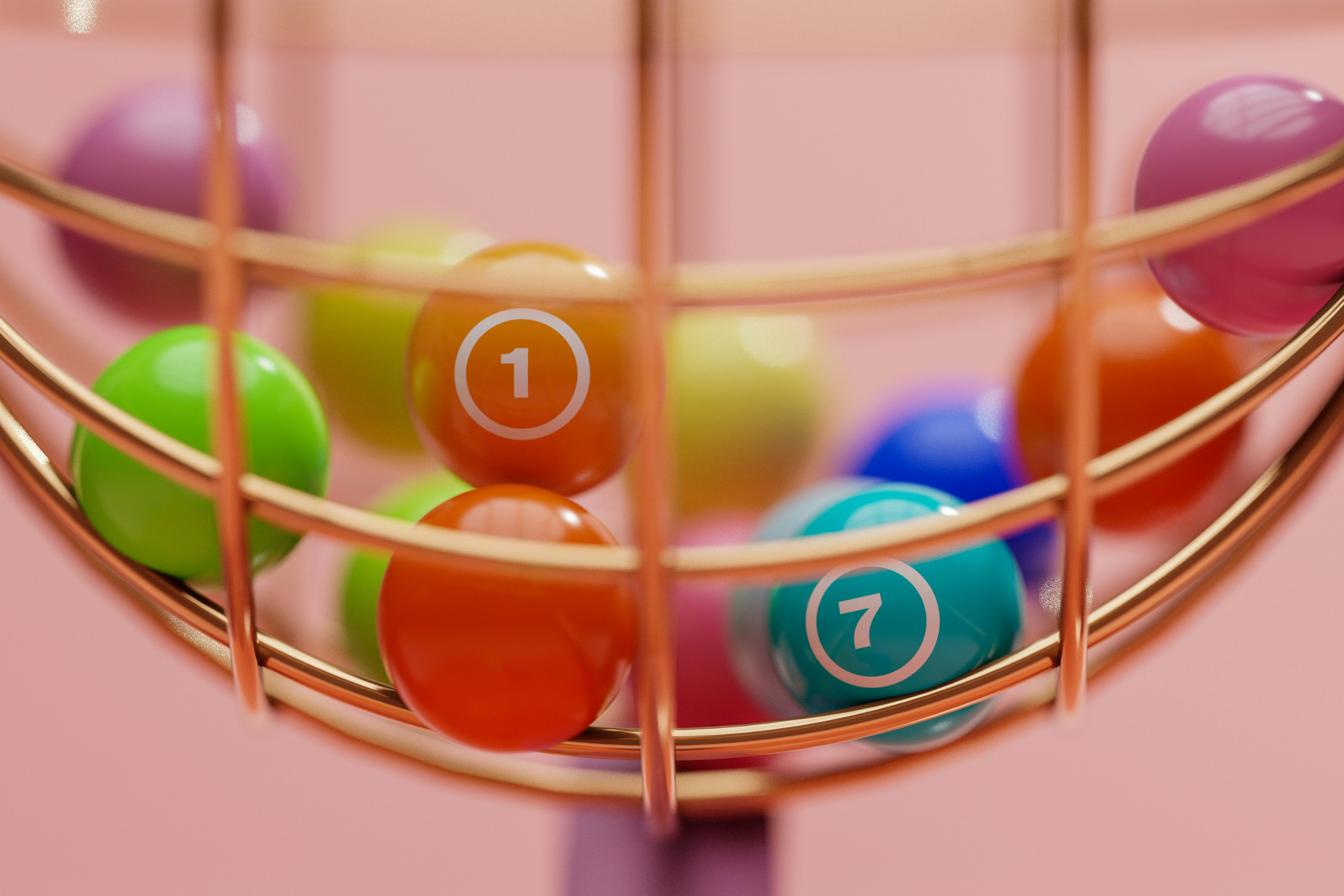
At its core, bingo is simple: numbers are drawn at random, and players mark them on their cards. The first person to complete a specific pattern — such as a line, a column, or a full card — wins. Because the numbers are drawn randomly, no one can predict the outcome. If every player has the same number of cards, everyone has an equal chance of winning.
In other words, randomness isn’t just part of bingo — it is bingo. That’s what makes the game so accessible: you don’t need special skills or strategies, just patience and the hope that your numbers will be called.
Probability in Practice
Even though bingo is a game of chance, probability still plays a role. Each card contains a unique combination of numbers, and the more cards you play, the greater your chance of holding the winning one. However, your odds also depend on how many cards are in play overall. If there are 100 cards in a game and you have 5 of them, your chance of winning is 5%. It’s simple math — but the outcome remains entirely random.
This balance between mathematical probability and pure luck is what keeps bingo both fair and unpredictable.
Can You Influence the Outcome?
Many players believe in “lucky cards” or certain patterns that supposedly bring better results. In reality, there’s no proven strategy that can alter the odds in a game where numbers are drawn randomly. That said, you can make small choices that affect your relative chances. For example, playing in smaller games — such as local community events or online rooms with fewer participants — means less competition and slightly better odds of winning.
Online bingo also offers a variety of formats, from fast-paced games to those with bonus rounds or progressive jackpots. These variations don’t change the randomness of the draw, but they can make the experience more engaging and fun.
Why We Love Randomness
Humans have always been fascinated by chance. The thrill of waiting for the next number, the anticipation of being one step away from a win — it all taps into our love of uncertainty and hope. Bingo is also a social experience. Whether you’re playing in a hall with friends or chatting online with fellow players, the shared excitement of the game creates a sense of community. That combination of unpredictability and connection is what makes bingo timeless.
At the same time, bingo offers a simple lesson in probability. It reminds us that even when outcomes are left entirely to chance, we can still understand and appreciate the math behind them — without being able to control them.
Læs også:
When the Game Goes Digital
Today, bingo is increasingly played online, where computers handle the number draws and card checks. Randomness is ensured through Random Number Generators (RNGs) — algorithms designed to make every game fair and unpredictable.
For players, the essence of the game remains the same. The excitement of waiting for that final number hasn’t changed, but the convenience has improved. You can now play anytime, anywhere, and still feel the same rush when you’re one call away from a win.
Chance as Part of the Fun
Bingo reminds us that not everything in life can be controlled. No matter how many cards you play or how long you’ve been at it, luck ultimately decides the outcome. And that’s part of the joy — every new game is a fresh start, and everyone has a chance.
So the next time you play bingo, think of it not just as a game of luck, but as a small lesson in probability — and a reminder that sometimes, it’s the randomness of life that makes it most exciting.
Læs også: