Durable Living Room Design: Choose Hardwearing and Low-Maintenance Materials

Durable Living Room Design: Choose Hardwearing and Low-Maintenance Materials
The living room is the heart of the home – a place to relax, watch movies, read, and gather with friends and family. That’s why your design choices should be both beautiful and practical. A stylish sofa quickly loses its appeal if the fabric wears out after a few months, and a sleek coffee table can become a nuisance if it needs constant upkeep. Here’s a guide to choosing materials that can handle everyday life while staying easy to maintain.
Start with Functionality
Before picking colors and shapes, think about how your living room is used day to day. Do you have kids, pets, or frequent guests? Each lifestyle places different demands on your furniture and surfaces. Starting with function helps you choose materials that truly fit your needs.
- Families with children should look for durable fabrics and furniture with rounded edges.
- Pet owners benefit from scratch-resistant flooring and upholstery that can handle fur and claws.
- Small spaces work best with lightweight materials and furniture that’s easy to move and clean.
Once you understand how your living room is used, it’s easier to decide where to invest in quality.
Læs også:


Durable Fabrics for Sofas and Chairs
The sofa is often the most used piece of furniture in the living room – and the first to show wear. The right fabric makes all the difference.
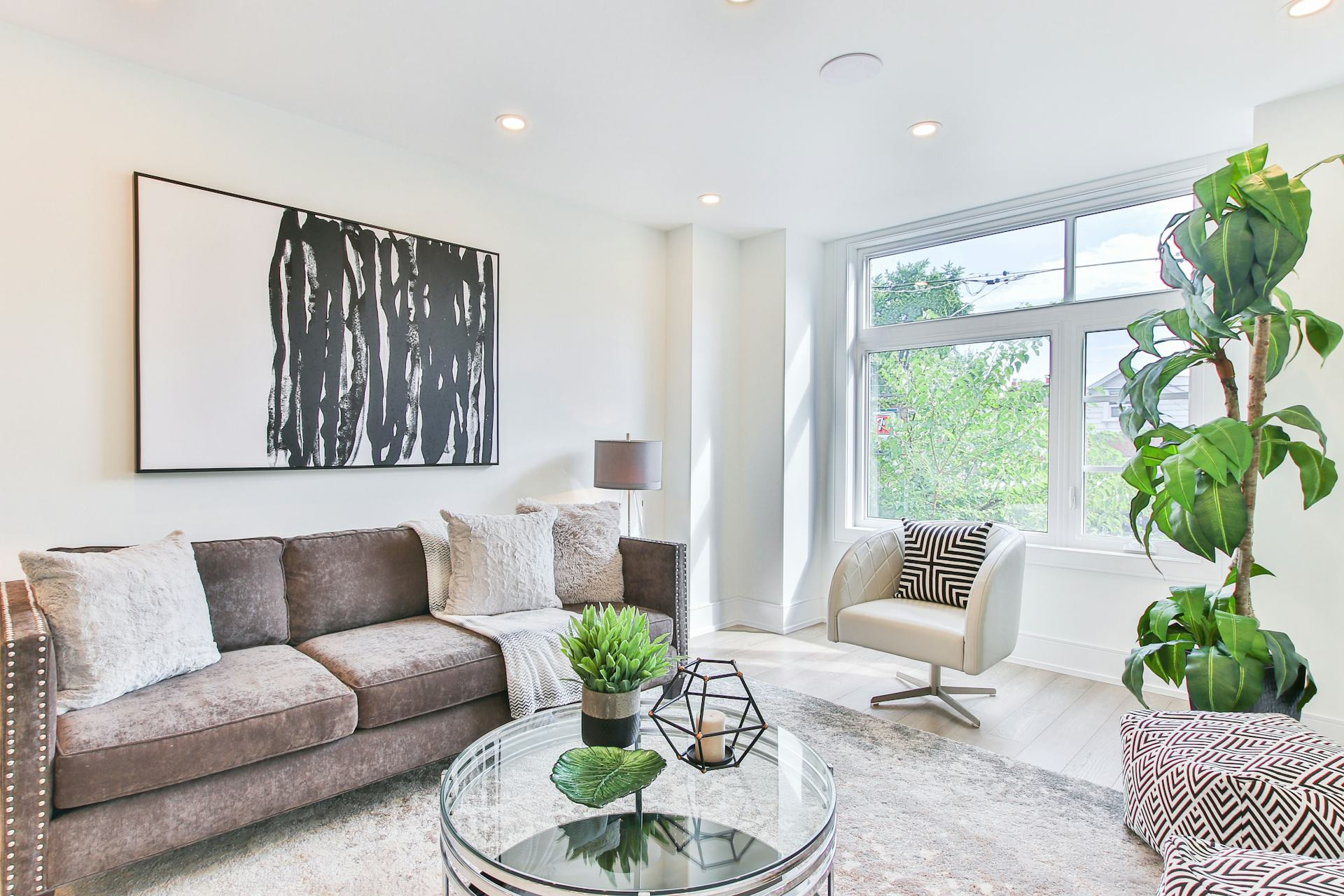
- Microfiber and performance velvet are popular for their softness and stain resistance. Microfiber can be wiped clean with a damp cloth, while modern velvets are treated to resist spills and fading.
- Wool blends are naturally dirt-repellent and hold their shape well, though they require a bit more care.
- Leather is timeless and tough, but it needs regular conditioning to stay supple.
A good tip is to check the fabric’s double rub count, which measures abrasion resistance. For residential use, look for at least 20,000 double rubs; for busy households, 40,000 or more is ideal.
Flooring That Stands Up to Life
Your flooring sets the tone for the entire room – visually and practically. It needs to handle daily traffic while feeling comfortable underfoot.
- Laminate flooring is budget-friendly, available in many styles, and easy to maintain.
- Luxury vinyl plank (LVP) has improved dramatically in recent years, mimicking wood or stone while being water-resistant and simple to clean.
- Solid hardwood adds warmth and character but requires periodic refinishing or oiling.
- Cork flooring is a sustainable option that’s soft, sound-absorbing, and easy to care for.
For long-lasting results, choose a neutral tone and a material that can be refreshed over time, such as wood that can be sanded or refinished.
Low-Maintenance Surfaces and Furniture
Coffee tables, shelving, and media consoles see daily use, so material choice matters.
- Lacquered wood and laminate surfaces are easy to wipe down and resist stains.
- Solid wood needs more upkeep but can be sanded and refinished if scratched.
- Metal and powder-coated finishes are durable and modern but can show scratches if heavily used.
- Natural stone like granite or marble is beautiful but needs sealing to prevent stains.
A smart compromise is to mix materials – for example, a coffee table with a metal frame and a laminate top that’s both sturdy and lightweight.
Textiles and Accessories That Stay Fresh
Throw pillows, rugs, and curtains add warmth and personality, but they should also be practical. Choose washable fabrics and avoid delicate materials like silk in sunny areas.
- Cotton and linen are breathable, washable classics.
- Synthetic fibers such as polyester and acrylic are colorfast and easy to clean.
- Wool is naturally dirt-resistant and long-lasting but should be dry-cleaned rather than machine-washed.
Removable covers for cushions and sofas are a great investment – they extend the life of your furniture and make cleaning much easier.
Think Sustainably for the Long Term
Durability isn’t just about toughness – it’s also about sustainability. Choosing quality materials that can be repaired or recycled reduces waste and the need for frequent replacements.
Look for certifications like FSC (for responsibly sourced wood) and OEKO-TEX (for textiles free from harmful substances). And remember, classic design rarely goes out of style – that’s a form of sustainability in itself.
A Living Room That Lasts – and Feels Like Home
A durable living room design isn’t about choosing the toughest materials at the expense of comfort. It’s about finding the right balance between beauty and practicality. When you select materials that fit your lifestyle, you create a space that looks great, feels inviting, and stands the test of time.
Læs også: