Flexible Travel Budget? How to Plan It for Both Short and Long Trips

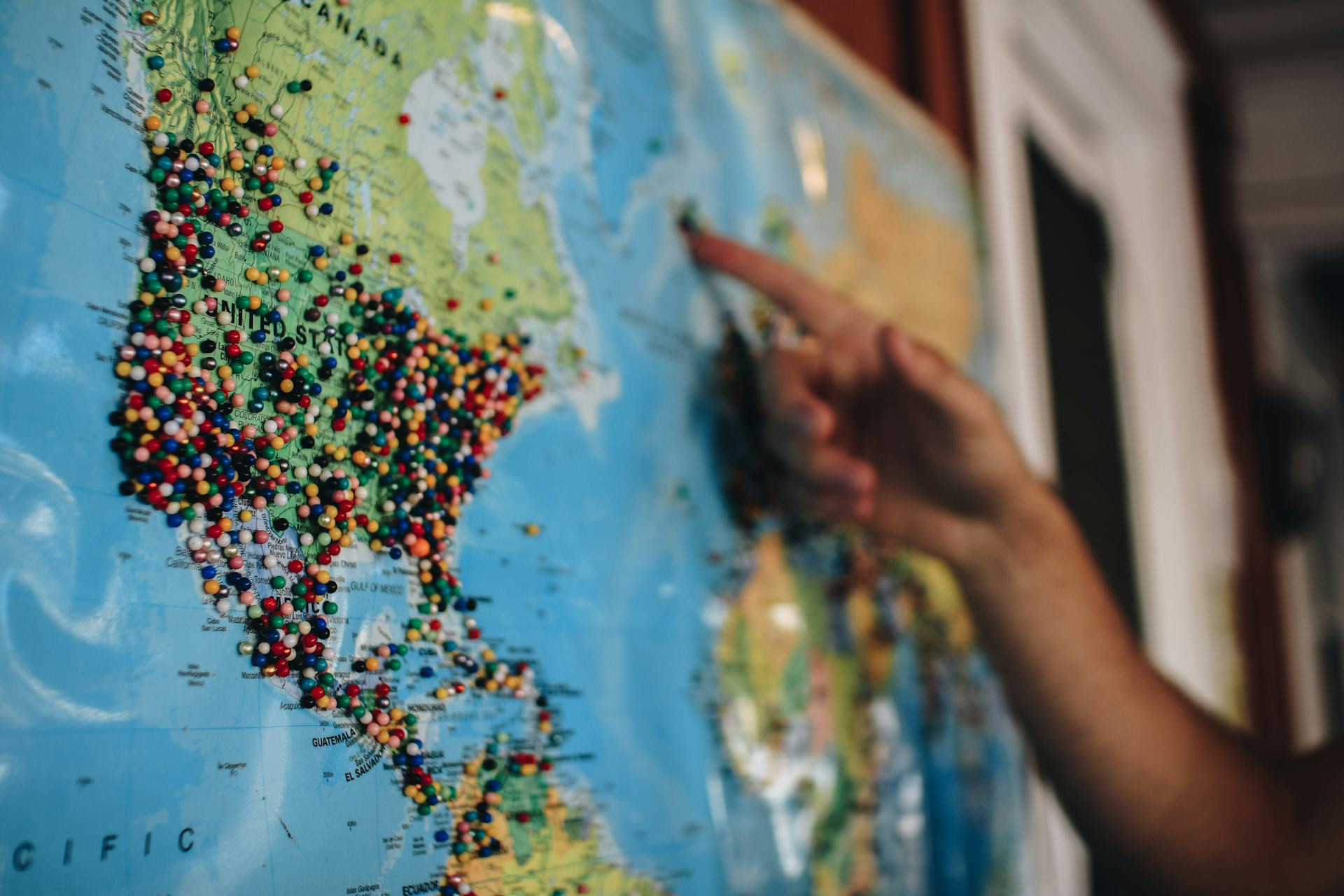
Flexible Travel Budget? How to Plan It for Both Short and Long Trips
Travel doesn’t have to break the bank — but it does require some smart planning. Whether you’re heading out for a weekend getaway to a nearby city or embarking on a month-long adventure abroad, a flexible travel budget gives you the freedom to enjoy your trip without financial stress. Here’s how to plan a budget that works for both short and long trips — and how to make every dollar count along the way.
Start by Defining Your Travel Style
Before crunching numbers, think about what kind of trip you’re planning. A city break filled with dining and sightseeing will look very different from a camping road trip or a beach vacation.
Ask yourself:
- How long will I be away?
- What level of comfort do I want — hotel, Airbnb, or hostel?
- How much do I want to spend on food and activities?
- What matters most to me: transportation, experiences, or accommodations?
Once you know your priorities, it’s easier to allocate your money wisely — and adjust as plans change.
Build a Realistic Budget — and Add a Cushion
A good travel budget isn’t just about saving; it’s about clarity. Start by dividing your expenses into categories:
- Transportation: flights, gas, rental car, public transit, parking.
- Accommodation: hotels, hostels, vacation rentals, camping.
- Food and drinks: daily meals, snacks, coffee stops.
- Activities: entrance fees, tours, events.
- Other costs: travel insurance, visas, tips, souvenirs.
After estimating your costs, add a 10–15% buffer for unexpected expenses — like a last-minute Uber ride, a missed connection, or a spontaneous dinner with a view.
Short Trips: Focus on Experiences Over Comfort
When you’re only away for a few days, time is precious. It often makes sense to spend a bit more on experiences and less on accommodations — you’ll barely be in your room anyway.
- Choose centrally located lodging to save time and transportation costs.
- Skip pricey restaurants for lunch; try local food trucks or markets instead.
- Buy attraction tickets online — discounts are common.
- Travel light with a carry-on to avoid baggage fees.
A short trip is all about maximizing your time, so plan ahead but leave room for spontaneous moments.
Long Trips: Think in Averages and Stay Flexible
For longer journeys, it’s better to think in terms of averages rather than daily limits. Some days you’ll spend more, others less — it balances out over time.
- Stay longer in one place: Many hotels and rentals offer discounts for extended stays.
- Cook your own meals: Shop at local grocery stores and use a kitchen when possible.
- Travel slowly: Transportation is often one of the biggest expenses — fewer moves mean lower costs.
- Use local apps and networks: They can help you find affordable lodging, rides, or activities.
A flexible budget lets you adapt as you go — maybe you’ll want to linger somewhere you love or take a detour you hadn’t planned.
Digital Tools to Keep Your Finances on Track
Plenty of apps can make budgeting easier before and during your trip:
- TravelSpend and Trail Wallet help you track expenses and see where your money goes.
- Google Flights and Hopper show flight price trends and help you find the best deals.
- Booking.com and Hostelworld make it easy to compare accommodation options and spot discounts.
With these tools, you can manage your budget without spreadsheets — and focus on enjoying your travels instead.
Læs også:


Spend Where It Matters Most
A flexible travel budget isn’t about cutting corners everywhere; it’s about spending where it counts. Maybe a memorable dinner or a guided tour is worth more to you than a luxury hotel room. Or maybe you’d rather splurge on transportation so you can see more places.
Think about what makes a trip meaningful for you — and plan your spending around that. It’s the best way to ensure you have both the funds and the freedom to enjoy your journey.
A Budget That Gives You Freedom
Your travel budget shouldn’t feel restrictive — it should empower you. When you know where your money is going, you can make better choices and say yes to the experiences that truly matter.
Whether you’re traveling for three days or three months, the key is the same: plan smart, stay realistic, and leave room for spontaneity. That’s how you make the most of both your money and your adventure.
Læs også: