Functional Training: Why Movement Patterns Matter More Than Muscles

Functional Training: Why Movement Patterns Matter More Than Muscles
For decades, strength training has often focused on isolating muscles: bicep curls for the arms, leg presses for the thighs, crunches for the abs. But in recent years, a different approach has gained popularity—functional training. Instead of working one muscle at a time, functional training strengthens the body through natural movement patterns. The result? A body that’s not only stronger but also more capable in everyday life.
What Is Functional Training?
Functional training is built around the movements we use in daily activities—lifting, pushing, pulling, twisting, and stabilizing. Rather than focusing on how a single muscle looks, it’s about how the body works as a coordinated system.
When you lift a heavy box off the floor, you don’t just use your legs—you engage your back, core, and shoulders too. Functional training mimics these real-world movements so you can move more efficiently and safely, whether you’re working out, doing chores, or playing with your kids.
Movement Patterns Over Muscle Groups
Traditional strength training divides the body into muscle groups: chest, back, legs, arms. Functional training, on the other hand, focuses on movement patterns such as:
- Squat – sitting down and standing up, like getting out of a chair.
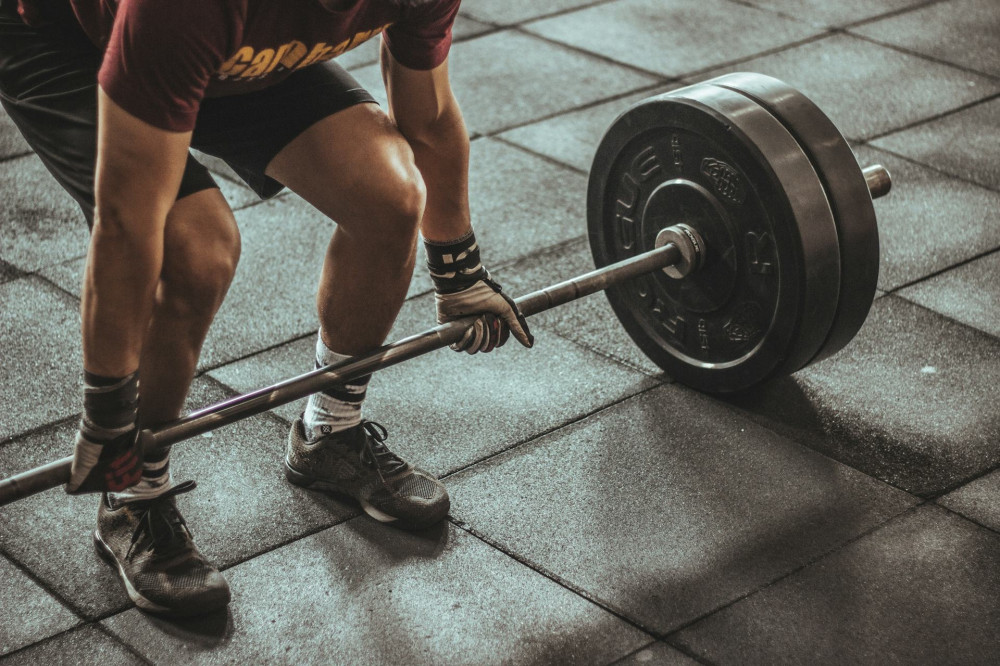
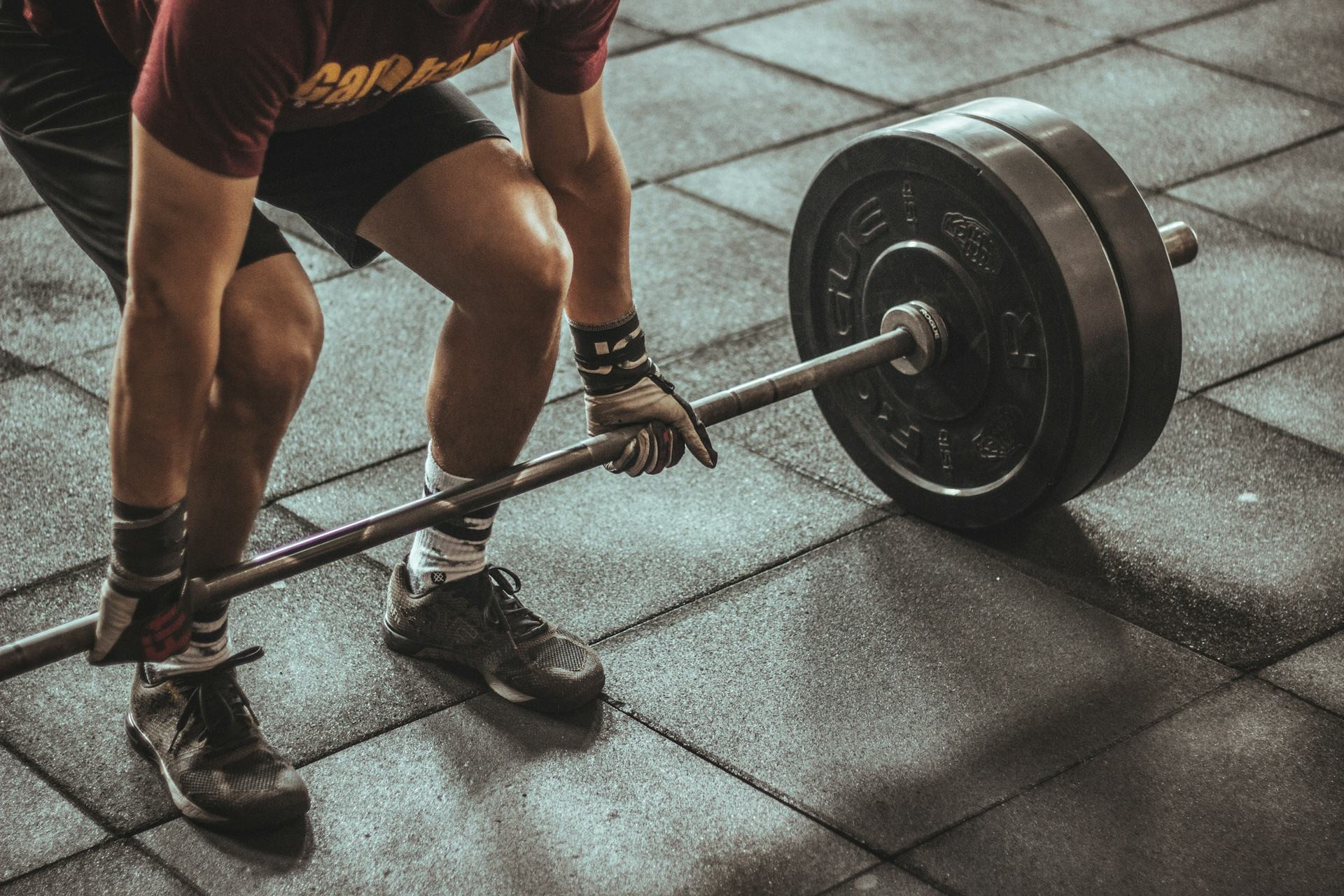
- Hinge – bending at the hips, as when picking something up from the floor.
- Push – pressing away from the body, like closing a heavy door.
- Pull – drawing toward the body, like pulling a suitcase from the trunk.
- Rotation and stability – twisting and balancing, as when carrying groceries in one hand.
By training these patterns, you strengthen not only individual muscles but also the coordination and control between them—what trainers call movement efficiency.
Læs også:



Why It Makes You Stronger in Everyday Life
One of the biggest benefits of functional training is how it translates to real life. When you train your body to move naturally, you improve balance, stability, and resilience against injury.
A movement like the kettlebell swing can enhance your ability to lift and move quickly, while plank variations build core strength that protects your spine. That means carrying groceries, climbing stairs, or shoveling snow becomes easier—and less likely to cause pain or strain.
Functional Training Is for Everyone
Although functional training is often associated with CrossFit or athletic conditioning, it can be adapted for all fitness levels. You can use body weight, resistance bands, dumbbells, or even household items for support.
Beginners can start by mastering basic movements and gradually increasing intensity. More experienced exercisers can use functional training to boost sports performance, build power, or improve stability in complex movements.
The key isn’t how much weight you lift—it’s how well you move.
How to Get Started
You don’t need a fancy gym to train functionally. Start with simple exercises that engage multiple muscle groups at once:
- Squats – strengthen legs and core.
- Push-ups – work chest, shoulders, and arms.
- Resistance band rows – build back strength and pulling power.
- Planks – improve stability and posture.
- Lunges – challenge balance and leg strength.
Once you’ve mastered the basics, you can add weights or make the movements more dynamic. Always focus on quality of movement rather than quantity of reps.
More Than a Workout—A Way of Moving
Ultimately, functional training is about understanding your body as an integrated system. When you move better, you not only get stronger but also become more aware of how you use your body every day. That can mean fewer aches, better posture, and a greater sense of freedom in movement.
That’s why many coaches say functional training isn’t just a workout method—it’s a philosophy. It’s a way of thinking about movement where the goal isn’t bigger muscles, but a body that performs well in everything you do.
Læs også: