Give Your Hair a Break – How to Let It Rest from Styling and Products

Give Your Hair a Break – How to Let It Rest from Styling and Products
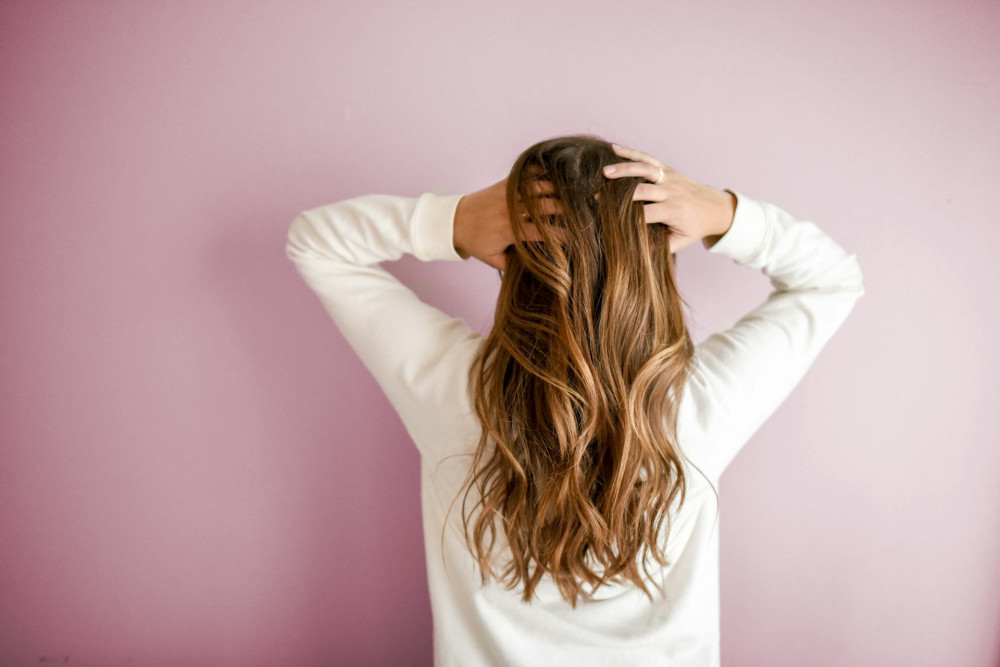
In a world where sleek blowouts, curling irons, and endless hair products dominate our routines, our hair rarely gets a chance to breathe. Just like your body needs rest after a workout, your hair benefits from downtime too. Giving your hair a break doesn’t mean neglecting it—it means allowing it to recover its natural strength and shine. Here’s how to let your hair rest while still feeling polished and confident.
Why Your Hair Needs a Break
Frequent heat styling, chemical treatments, and product buildup can weaken your hair over time. Heat opens the hair’s cuticle, color treatments alter its structure, and heavy products can weigh it down. The result? Dry, dull, and brittle strands that break easily.
When you give your hair a rest, you allow it to repair itself. Your scalp can breathe, and your natural oils can redistribute evenly, helping to nourish and protect your hair from root to tip.
Læs også:
Turn Down the Heat
One of the most effective ways to let your hair recover is to step away from heat tools for a while. Flat irons, curling wands, and blow dryers can reach damaging temperatures that strip moisture and weaken the hair shaft.
Try these alternatives:
- Air-drying – Gently towel-dry your hair and let it dry naturally.
- Braids or buns – Create soft waves or texture without heat.
- Cool air – If you must use a blow dryer, switch to the lowest heat setting or finish with a blast of cool air.
Even a week without heat can make a noticeable difference in your hair’s texture and shine.
Show Your Scalp Some Love
Healthy hair starts with a healthy scalp. When you take a break from styling products, focus on scalp care instead. Use a gentle, sulfate-free shampoo and take time to massage your scalp while washing. This boosts circulation and helps remove product residue.
You can also try a scalp oil or serum with natural ingredients like tea tree, rosemary, or jojoba. These can soothe irritation, hydrate the skin, and create a better environment for hair growth.
Simplify Your Product Routine
During your hair’s rest period, less is more. Many styling products contain silicones, alcohol, or synthetic fragrances that can dry out your hair over time. Instead, opt for:
- A mild shampoo and nourishing conditioner free from harsh additives.
- A light natural oil like argan or coconut oil for your ends.
- Co-washing (washing with conditioner instead of shampoo) if your hair tends to be dry or curly.
Some people go completely product-free for a few weeks to let their hair and scalp rebalance naturally. It might take a little time for your scalp to adjust, but the payoff is softer, healthier hair.
Protect Your Hair Every Day
Even when you’re skipping styling, your hair still faces daily stress from sun, wind, and friction. Small protective habits can make a big difference:
- Sleep on a silk or satin pillowcase to reduce friction and breakage.
- Use soft fabric scrunchies instead of tight elastics.
- Wear a hat or scarf in strong sun or cold wind to shield your hair.
These gentle habits help preserve your hair’s strength while it rests.
Nourish from the Inside Out
Healthy hair isn’t just about what you put on it—it’s also about what you put in your body. Make sure your diet includes enough protein, iron, zinc, and omega-3 fatty acids, all of which support hair growth and structure. Stay hydrated and eat a balanced diet rich in vegetables, whole grains, and healthy fats.
If your hair feels unusually dry or thin, consider talking to a healthcare provider or nutritionist about possible vitamin deficiencies.
Returning to Styling
After a break, your hair will likely feel stronger, smoother, and more manageable. When you start styling again, do it mindfully. Always use a heat protectant, choose products with nourishing ingredients, and avoid overloading your hair with too many treatments at once.
You might even schedule regular “hair rest weeks”—for example, one week each month without heat or styling products—to maintain your hair’s long-term health.
A Healthier Relationship with Your Hair
Letting your hair rest isn’t just about maintenance—it’s about mindset. Instead of constantly trying to control or perfect your hair, learn to appreciate it as it naturally is. When you give it time to recover, you’ll not only see healthier, shinier hair but also develop a more relaxed and positive relationship with your own beauty.
Læs også: