Let Go of Fear and Be Creative – How to Dare to Try Something New


Let Go of Fear and Be Creative – How to Dare to Try Something New
Trying something new takes courage. Whether it’s painting for the first time, starting a side project, writing a story, or learning an instrument, the fear of failure can easily take over. But creativity thrives when we let go of control and allow curiosity to lead the way. Here’s how you can release fear and rediscover the joy of creating—without letting perfectionism stand in your way.
The Fear of Failure – and Why It Holds Us Back
Most of us know the feeling: the thought that what we make isn’t “good enough.” The fear of being judged—by others or by ourselves—can stop us before we even begin. But creativity isn’t about performance; it’s about exploration.
When you let go of the need to succeed, you open yourself to a freer, more playful approach. Mistakes stop being signs of failure and become proof that you’re learning. It’s often in those imperfect moments that new ideas and expressions are born.
Make the Process More Important Than the Result
One of the most effective ways to overcome fear is to shift your focus from the outcome to the process. Instead of thinking, “This has to be great,” try thinking, “Let’s see what happens.” When you allow yourself to experiment, it becomes easier to enjoy the act of creating itself.
Try, for example, to:
- Set a time limit – give yourself 20 minutes to create something without judging it as you go.
- Work with limitations – use only two colors, one material, or one word as your starting point.
- Make something you don’t plan to show anyone – it removes the pressure and invites play.
When you focus on the experience rather than the evaluation, creativity becomes a source of calm and energy instead of stress.
Create a Safe Space for Your Creativity
Creativity doesn’t require grand gestures—but it does need a space where you feel comfortable. It could be a corner of your living room, a desk, a notebook, or even a walk where your thoughts can wander.
Build small rituals that signal to yourself that it’s time to create. Light a candle, play some music, or make a cup of coffee. It’s not about doing it perfectly—it’s about creating an atmosphere where you feel free to let go.
And remember: you don’t have to call yourself an “artist” to be creative. Every person has the ability to create—it’s part of being human.
Learn to Embrace Uncertainty
Whenever you try something new, you’ll almost always feel uncertain. That’s a sign you’re stepping outside your comfort zone—and that’s exactly where growth happens. Instead of fighting uncertainty, practice accepting it as a natural part of the process.
Ask yourself: What’s the worst that could happen? Usually, the answer is far less dramatic than your fear suggests. Maybe the result isn’t what you imagined—but you’ve learned something you didn’t know before. And that, in itself, is a success.
Find Inspiration in the Everyday
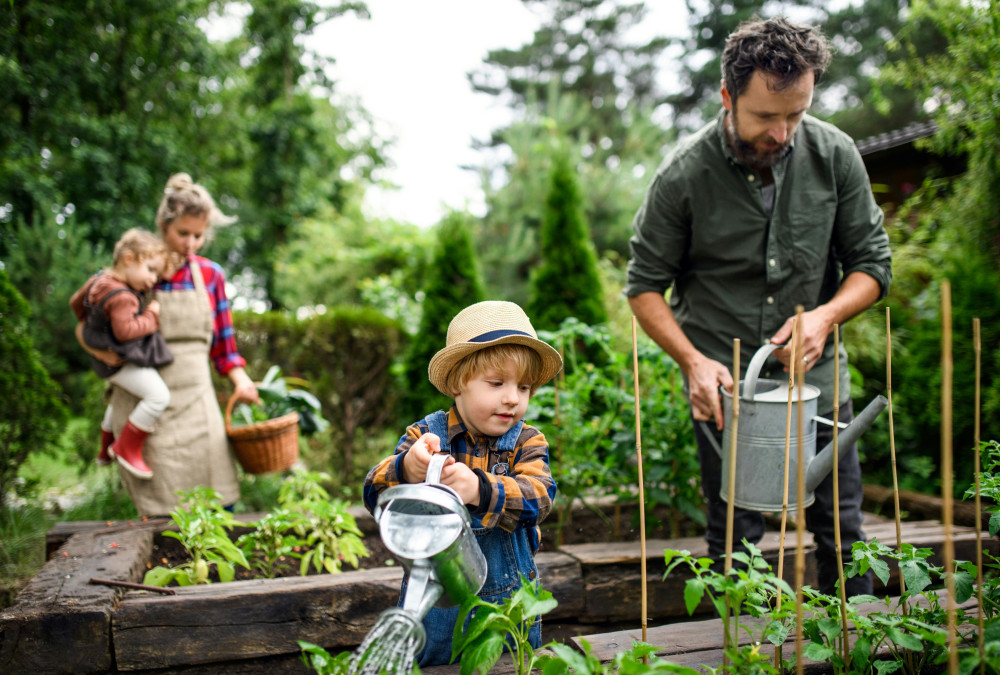
Creativity doesn’t have to start with big projects. It can be as simple as taking a photo of something beautiful, writing three lines in a notebook, trying a new recipe, or planting something in your garden. Small actions can spark the flame and build your confidence.
Let yourself be inspired by daily life: the colors on a walk, a conversation, a scent. The more you practice noticing the world around you, the easier it becomes to find ideas and the desire to create.
Share – When You’re Ready
Sharing your creativity with others can feel vulnerable, but it can also be deeply rewarding. It can create connection and offer new perspectives. Start by sharing with someone you trust—someone who understands that it’s about the process, not about impressing anyone.
But remember: you don’t owe anyone your work. Creativity can be something you do purely for yourself. The most important thing is that you dare to begin.
Læs også:


Let Go of Fear – and Start Today
There will always be a voice that says, “Wait a little longer” or “You’re not ready yet.” But the truth is, you’ll never feel ready until you start. Courage doesn’t come before action—it comes from it.
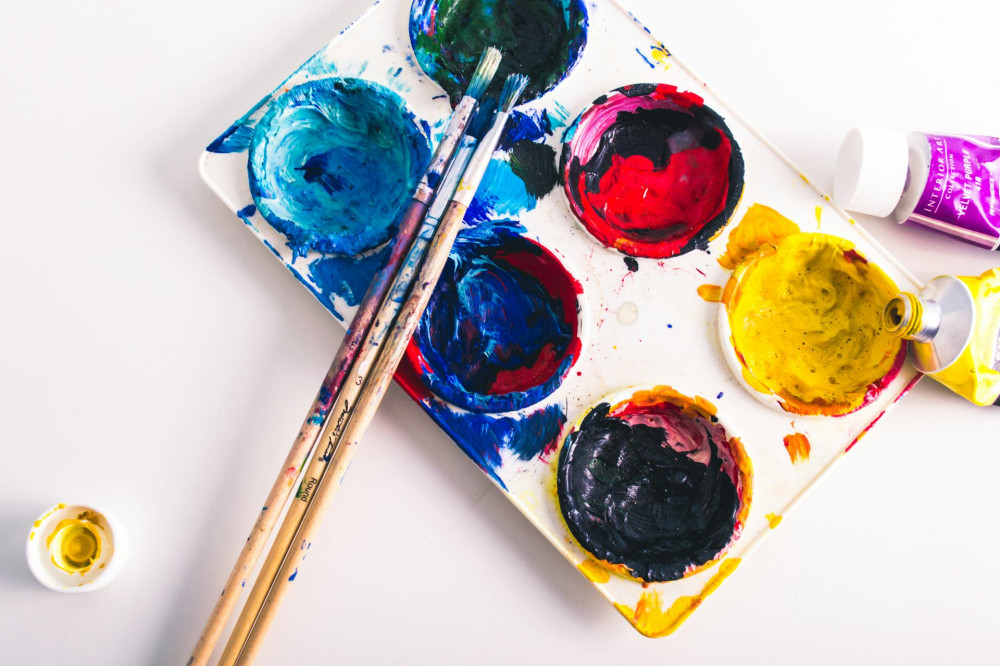
So take the first step. Buy the brushes, write the first sentence, sew the first stitch. It doesn’t have to be perfect. It just has to be yours.
Læs også: