Create Balance in Your Outfit – Learn to Master the Art of Coordination


Create Balance in Your Outfit – Learn to Master the Art of Coordination
A great outfit isn’t just about picking stylish pieces – it’s about how those pieces work together. Colors, fabrics, proportions, and details all interact to create a look that can feel either harmonious or chaotic. Mastering coordination is the key to achieving balance in your style, whether you’re going for a classic, casual, or modern vibe.
Understand Proportion – The Foundation of Balance
Proportion is one of the most important yet often overlooked aspects of dressing well. It’s about how the shapes and lengths of your clothes relate to each other and to your body.
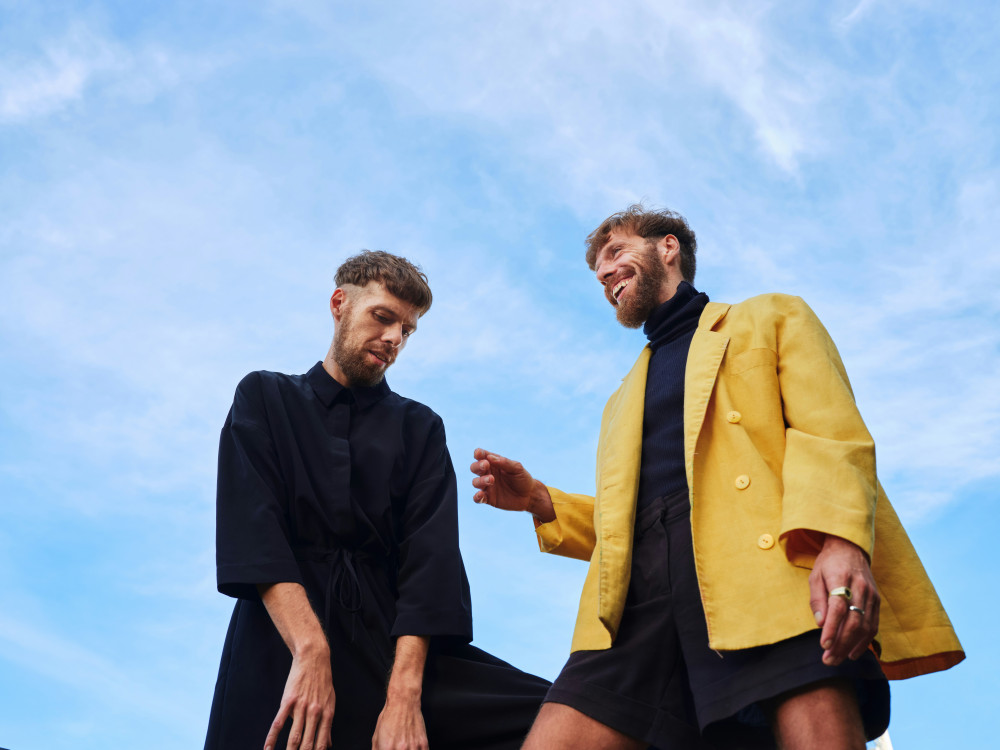
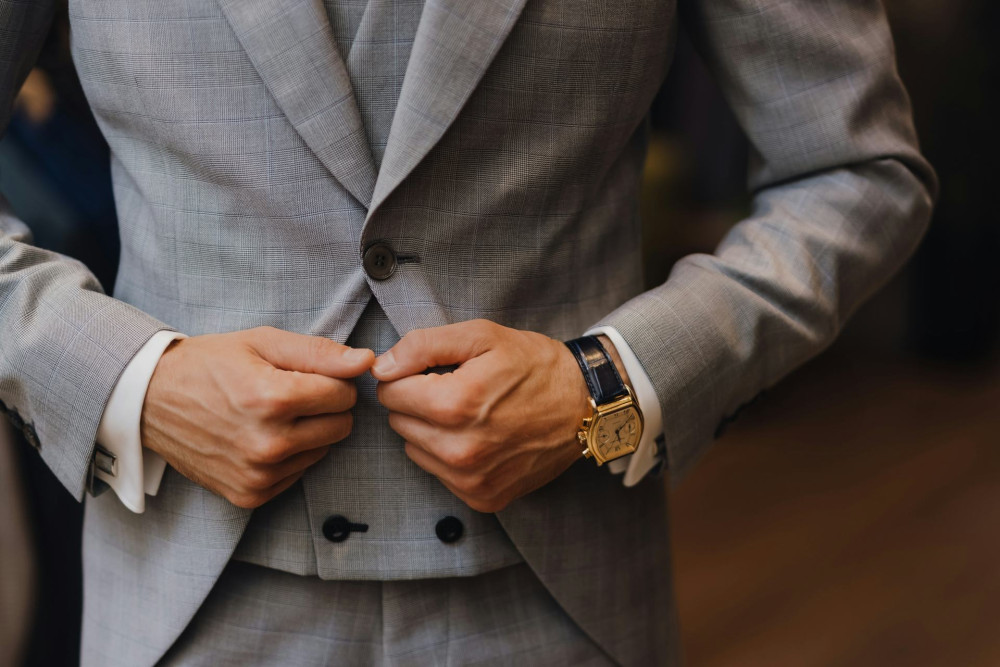
A simple rule of thumb is to balance loose and fitted pieces. If you’re wearing a relaxed top, pair it with more tailored pants, and vice versa. This contrast creates visual balance and highlights your silhouette without overdoing it.
Length also plays a big role. A cropped jacket can add structure to high-waisted jeans, while a long coat can bring elegance and flow to a minimalist outfit. Experiment in front of the mirror – small adjustments can completely change the overall impression.
Colors That Work Together
Color can make or break an outfit. A good guideline is to choose one dominant color, one secondary color, and possibly an accent color. This creates a cohesive and intentional look.
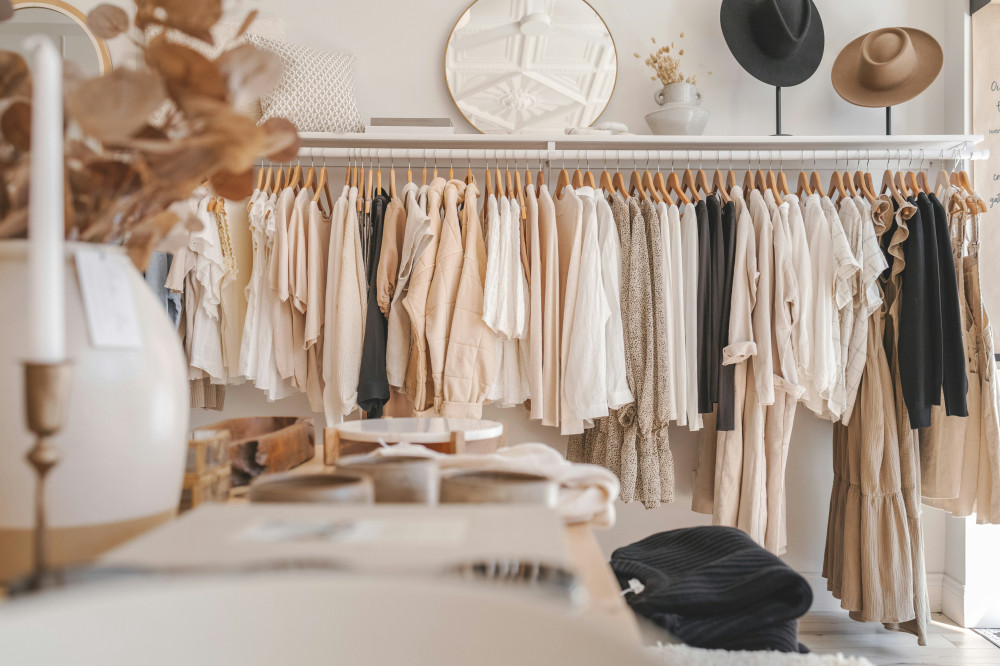
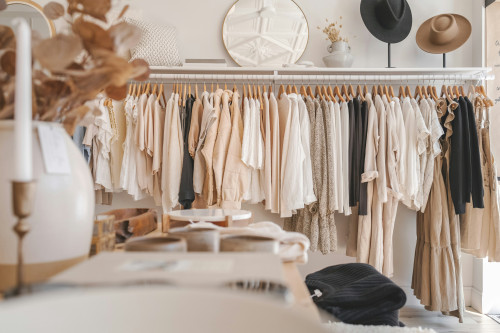
Neutrals like black, white, beige, and gray are timeless bases that pair well with almost anything. If you want to add color, think in terms of tones that complement each other – for example, navy and tan, olive and cream, or burgundy and blush.
If you’re feeling adventurous, use the color wheel as your guide: colors opposite each other (like blue and orange) create contrast, while colors next to each other (like blue and green) create harmony.
Fabrics and Textures – Play With Surfaces
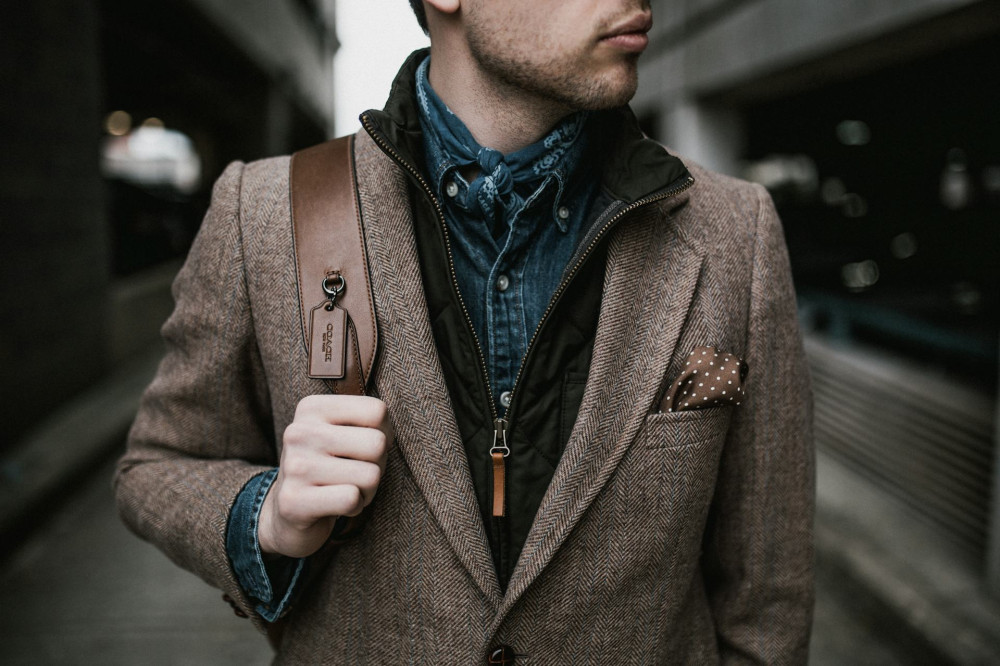
Mixing different materials adds depth and interest to your outfit. Think chunky knit against smooth cotton, leather with wool, or silk with denim. These combinations give your look texture and personality.
Treat textures the way you treat colors – they can either contrast or blend. An outfit made entirely of smooth fabrics can look flat, while too many textures can feel overwhelming. Let one material take the spotlight and let the others support it.
In cooler months, combine wool, leather, and cotton for a warm, balanced look. In summer, opt for lighter fabrics like linen, silk, and soft denim to keep things airy and effortless.
Accessories That Tie It All Together
Accessories are the finishing touch – but balance matters here too. A single statement piece, like a bold necklace or a sleek belt, can pull an outfit together, while too many details can distract from the overall look.
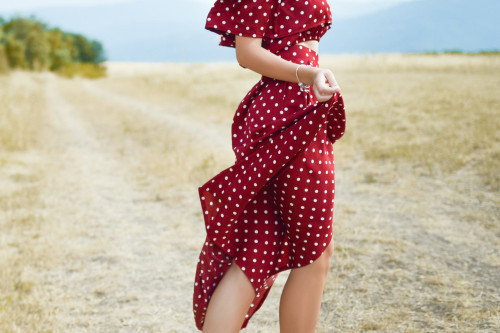
If your clothing is simple, use accessories to express personality: a colorful scarf, a standout bag, or textured shoes. On the other hand, if your outfit already features strong patterns or bright colors, go for more understated accessories.
Remember, accessories can also shift the mood of your outfit. Sneakers can make a dress feel casual, while heels instantly elevate it. Choose based on the vibe you want to create.
Læs også:


Find Your Own Balance
There are no strict rules for how an outfit should be put together – but there are principles that help you find your own sense of balance. Start by noticing what feels right for you: Which cuts flatter your shape? Which colors make you feel confident? Which fabrics do you enjoy wearing?
Once you understand how your clothes interact, it becomes easier to experiment and create outfits that feel both natural and intentional. In the end, balance isn’t about perfection – it’s about harmony between you and what you wear.
Læs også: