Extend Your Clothes’ Lifespan with Proper Storage and Simple Care


Extend Your Clothes’ Lifespan with Proper Storage and Simple Care
Clothes that last longer are not only good for your wallet—they’re also a key part of a more sustainable lifestyle. Many garments wear out too quickly because they’re washed too often, stored improperly, or neglected between uses. With a few simple habits, you can extend the life of your clothes while keeping their shape, color, and comfort. Here’s how to care for your wardrobe—both in the closet and in the laundry room.
Wash Less—and Smarter
Washing is one of the most damaging things you can do to your clothes. Each cycle weakens fibers, fades colors, and can alter the fit. Often, a quick refresh is all that’s needed instead of a full wash.
- Air out instead of washing: Hang clothes outside or near an open window to remove odors and moisture.
- Spot clean: Treat small stains with a damp cloth and mild soap rather than washing the entire garment.
- Load the washer properly: Overloading prevents clothes from getting clean, while underloading wastes water and energy.
- Use cold water: Most fabrics come clean in cold or warm water, which helps preserve color and saves energy.
Choose a gentle detergent without bleach, and skip fabric softeners—they can break down elastic fibers and reduce breathability.
Dry and Store with Care
How you dry and store your clothes has a big impact on how long they last. Many fabrics are damaged by the dryer, and poor storage can lead to fading, stretching, or mildew.
- Air dry when possible: The dryer’s heat and tumbling wear down fibers and can cause shrinkage. Hang clothes on a rack or hanger instead.
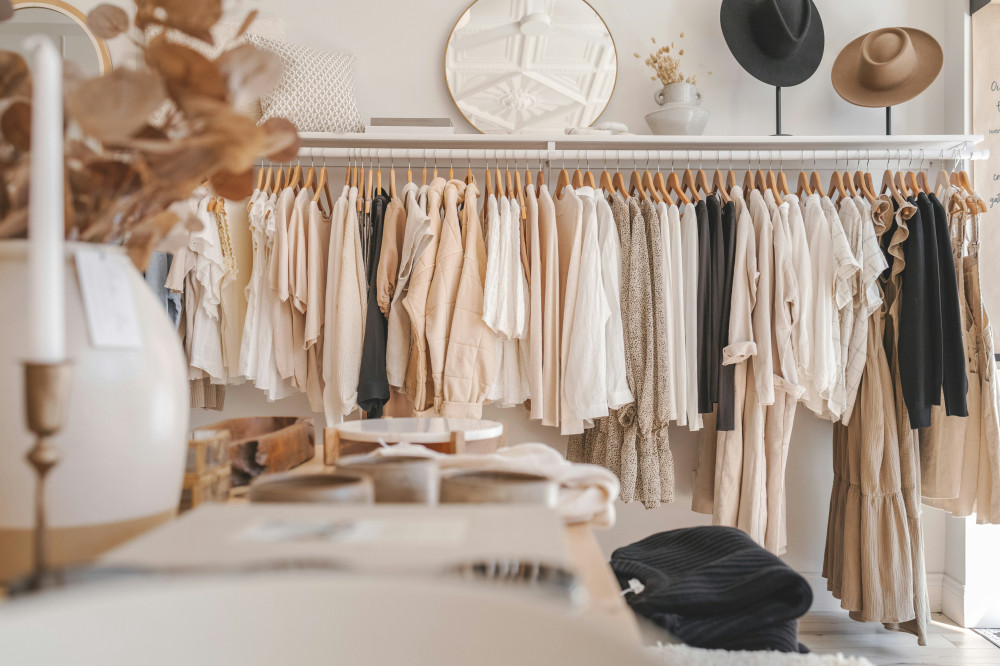
- Use the right hangers: Shirts and jackets should hang on wide, shaped hangers that support the shoulders. Fold knits and heavy sweaters to prevent stretching.
- Keep out of direct sunlight: Sunlight can fade colors. Store clothes in a closet or shaded area.
- Maintain a clean, dry closet: Dust and humidity can harm fabrics. Wipe shelves occasionally and use cedar blocks or lavender sachets to deter moths.
When switching seasons, pack away off-season clothes in breathable fabric bags or lidded boxes. Avoid plastic bags—they trap moisture and can cause mildew.
Repair and Maintain Regularly
Small repairs can make a big difference. A missing button, loose seam, or stuck zipper doesn’t mean it’s time to toss the item.
- Sew buttons and seams: Keep a small sewing kit with needles, thread, and spare buttons handy.
- Remove lint and fuzz: Use a lint roller or fabric shaver to keep clothes looking fresh.
- Brush wool garments: A soft clothing brush removes dust and dirt without damaging fibers.
- Iron and steam properly: Use the correct temperature for each fabric, and opt for steaming when possible to reduce wear.
If you’re not comfortable repairing clothes yourself, a local tailor or dry cleaner can often fix them for a modest cost—far less than buying new.
Know Your Fabrics—and Treat Them Right
Different materials require different care. Understanding what your clothes are made of helps you avoid common mistakes.
- Cotton: Can handle warmer washes but may shrink; air dry to preserve shape.
- Wool: Wash gently or by hand in cold water with wool detergent; never wring out.
- Silk: Wash delicately and lay flat to dry.
- Synthetics: Wash in cold water and skip fabric softener to maintain elasticity.
Always read the care label—it’s there for a reason. When in doubt, choose the gentlest cleaning method.
Læs også:



A More Sustainable Wardrobe
Caring for your clothes isn’t just about looking good—it’s about making responsible choices. The longer your clothes last, the less you need to buy, reducing waste and conserving resources.
By washing less, repairing more, and storing properly, you can build a wardrobe that’s practical, stylish, and sustainable. It doesn’t take much—just a little extra care in your everyday routine.
Læs også: