Digitalization and the Work Environment: Balancing Technology and Well-Being


Digitalization and the Work Environment: Balancing Technology and Well-Being
Digitalization has transformed the American workplace in just a few years. Automation, cloud-based collaboration, and artificial intelligence have made many tasks faster and more flexible. At the same time, these changes have introduced new challenges for employee well-being—both physical and mental. How can we find the right balance between technological efficiency and human health?
When Technology Becomes Part of Everyday Work
Today, nearly every job involves some level of digital interaction. We communicate through chat platforms and video calls, share documents online, and rely on data to make decisions. For many, this has created greater freedom and flexibility, allowing people to work from home or on the go.
But digitalization can also blur the line between work and personal life. When emails and notifications arrive around the clock, it becomes harder to disconnect. This constant connectivity places new demands on both employers and employees to create healthy boundaries in the digital workplace.
The Benefits of Digitalization
When used thoughtfully, technology can enhance both productivity and well-being. Digital tools can:
- Streamline routine tasks, freeing up time for creative and meaningful work.
- Improve collaboration, especially across distances and time zones.
- Increase flexibility, allowing employees to adapt work schedules to personal needs.
- Support learning and development, through online training and knowledge sharing.
For many U.S. companies, digitalization has also opened doors to new business models and more sustainable operations—reducing travel, paper use, and office space requirements.
The Challenges: Stress, Surveillance, and Screen Fatigue
The digital shift also has a downside. Studies show that many American workers experience stress and burnout due to constant availability and high workloads. It can be difficult to relax when work is always just a click away.
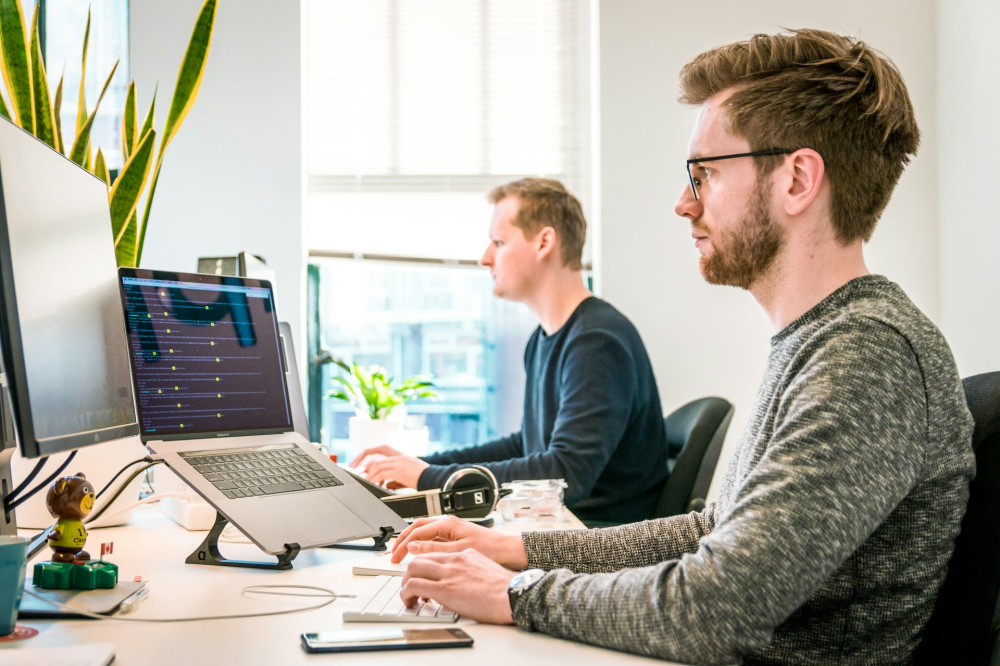
New technologies such as monitoring software and performance tracking can also create anxiety if used without transparency. And for those spending long hours in front of screens, physical inactivity and eye strain are growing health concerns.
Leadership’s Role in the Digital Workplace
A healthy digital work environment requires active leadership. It’s not just about implementing new systems—it’s about building a culture where technology serves people, not the other way around. Leaders should:
- Set clear expectations for communication and availability.
- Involve employees in choosing and developing digital tools.
- Prioritize well-being alongside productivity.
- Provide training and support, ensuring everyone feels confident using new technologies.
When employees feel heard, supported, and competent, engagement and performance both improve.
The Individual’s Responsibility
While leadership plays a key role, individuals also share responsibility for maintaining balance. This can mean:
- Turning off notifications outside of work hours.
- Taking regular breaks from screens.
- Setting personal boundaries and speaking up when workloads become overwhelming.
- Nurturing social connections—both online and offline.
Small, consistent habits can make a big difference in energy, focus, and overall well-being.
Læs også:



The Future of Digital Work
Digitalization is far from over. Artificial intelligence, automation, and new forms of remote collaboration will continue to reshape how Americans work. That makes it even more important to integrate well-being into every stage of technological change.
The most successful workplaces of the future will be those that combine innovation with empathy—where efficiency and humanity coexist, and where digitalization is not an end in itself, but a means to a better, more balanced work life.
Læs også: