Flexible Workday with Structure: How to Get the Best of Both Worlds

Flexible Workday with Structure: How to Get the Best of Both Worlds
Flexibility has become one of the defining features of modern work life. Many Americans have embraced the freedom to work remotely, set their own hours, and design a schedule that fits their personal rhythm. But with freedom comes responsibility — and without structure, flexibility can easily turn into distraction, stress, or burnout. Here’s how to combine the best of both worlds: freedom and focus.
Why Flexibility Needs Structure
A flexible workday isn’t about working whenever you feel like it. It’s about having the freedom to align your work with your life — while still meeting goals and maintaining consistency. That balance requires discipline and planning. Without clear boundaries, the line between work and personal time can blur, leading to overwork or procrastination.
Structure provides stability. It helps you prioritize, stay organized, and maintain a sense of control. When you pair flexibility with structure, you gain both autonomy and reliability — the freedom to work your way and the confidence that you’re staying on track.
Build a Steady Rhythm — Even When You Work Flexibly
Even if you don’t commute to an office every day, it pays to have a consistent rhythm. Start your day at roughly the same time, and create a short morning routine that signals the start of work. That could be a walk around the block, a cup of coffee at your desk, or a few minutes reviewing your priorities.
End your day with the same intention. Shut down your computer, tidy your workspace, and do something that marks the transition to personal time — like heading to the gym, cooking dinner, or spending time outdoors. These rituals help your brain switch gears and prevent work from spilling into your evenings.
Plan in Time Blocks — and Protect Your Focus
One of the biggest advantages of flexible work is the ability to design your day around your natural energy levels. Use that to your benefit. Schedule demanding tasks when you’re most alert, and save meetings or routine work for lower-energy periods.
Try working in time blocks — for example, 90 minutes of focused work followed by a short break. This method helps maintain concentration and prevents your day from drifting. Protect these blocks by turning off notifications and letting colleagues know when you’re unavailable. Focused time is your most valuable resource.
Læs også:



Create a Workspace That Supports Your Flow
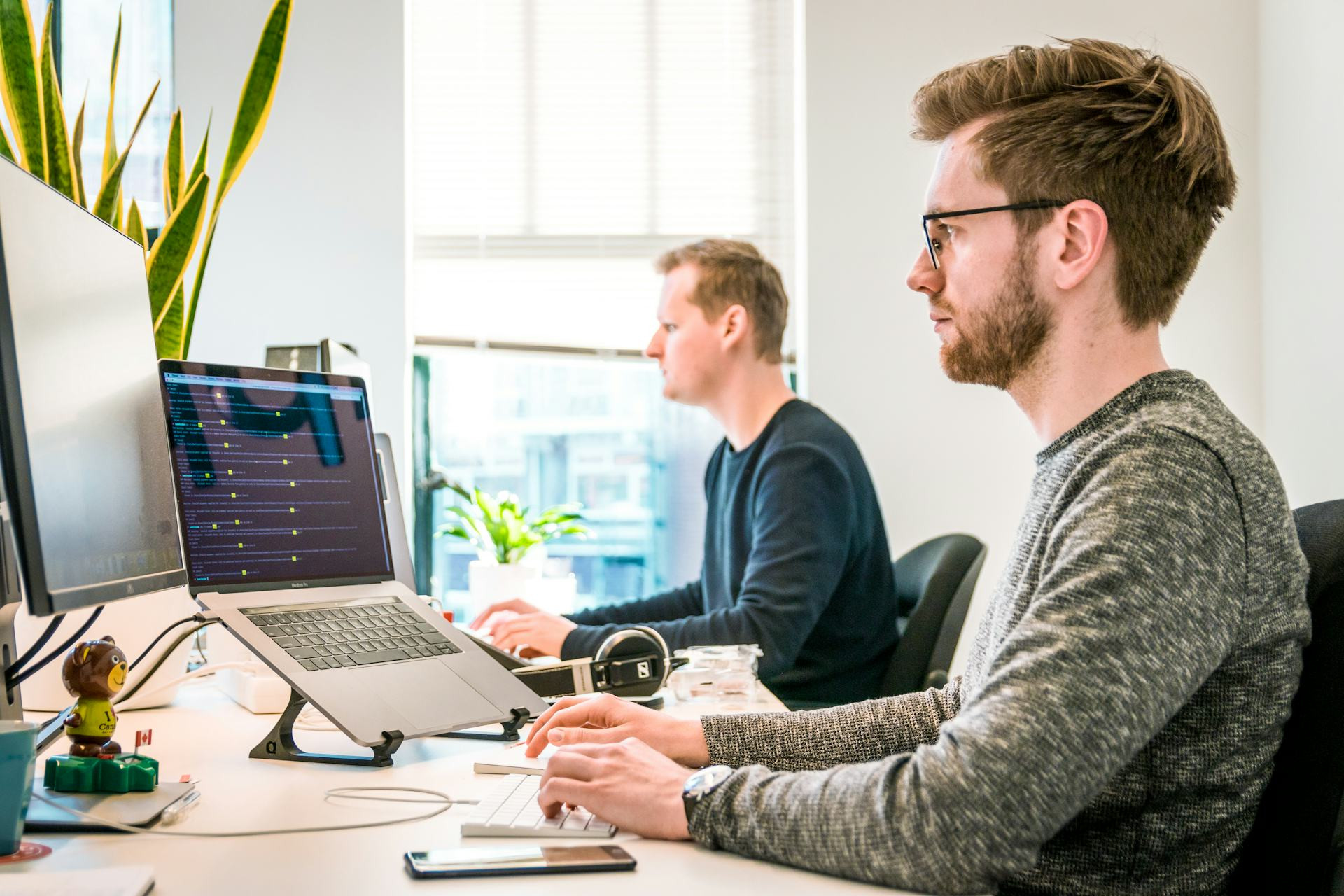
When you work flexibly, your environment becomes part of your structure. Set up a dedicated workspace, even if it’s just a corner of your living room. Having a consistent spot for work helps your mind associate that space with focus and productivity.
Pay attention to lighting, ergonomics, and comfort. Good lighting, a supportive chair, and a clutter-free surface can make a big difference in how you feel and perform. If you crave variety, consider working from a coworking space, a library, or a café once in a while. A change of scenery can boost creativity and motivation.
Communicate and Set Expectations
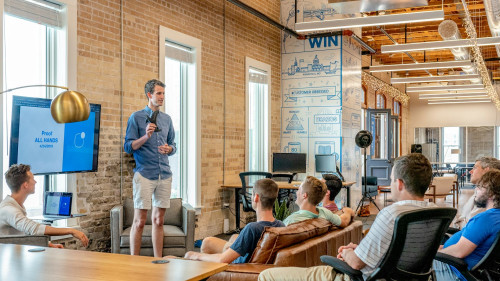
Flexibility works best when everyone is on the same page. Talk with your manager and teammates about your availability, preferred communication channels, and response times. Clear expectations prevent misunderstandings and build trust.
Use digital tools to stay connected, but be mindful of over-communication. Constant pings and messages can undermine the very flexibility you’re trying to protect. Schedule regular check-ins and use asynchronous communication — like shared documents or project boards — when possible. This allows everyone to work more independently and efficiently.
Don’t Skip Breaks and Recovery
When you control your own schedule, it’s easy to skip breaks — especially when working from home. But breaks are essential for productivity and well-being. Plan them in advance, and use them intentionally: take a walk, stretch, or do something that gives your mind a reset.
Recovery also means truly disconnecting after work. Avoid checking emails late at night, and create routines that help you unwind — whether that’s exercise, cooking, or spending time with family and friends. When you rest well, you return to work with more focus and energy.
Flexibility with Intention
Flexibility isn’t an end in itself — it’s a tool for creating a work life that fits you. The key is balance: enough freedom to adapt your day, and enough structure to stay grounded.
By combining thoughtful planning, clear boundaries, and intentional rest, you can enjoy the best of both worlds — a workday that supports both your productivity and your quality of life.
Læs også: