From Taboo to Tradition: How Society’s View of Cremation Is Changing
From Taboo to Tradition: How Society’s View of Cremation Is Changing
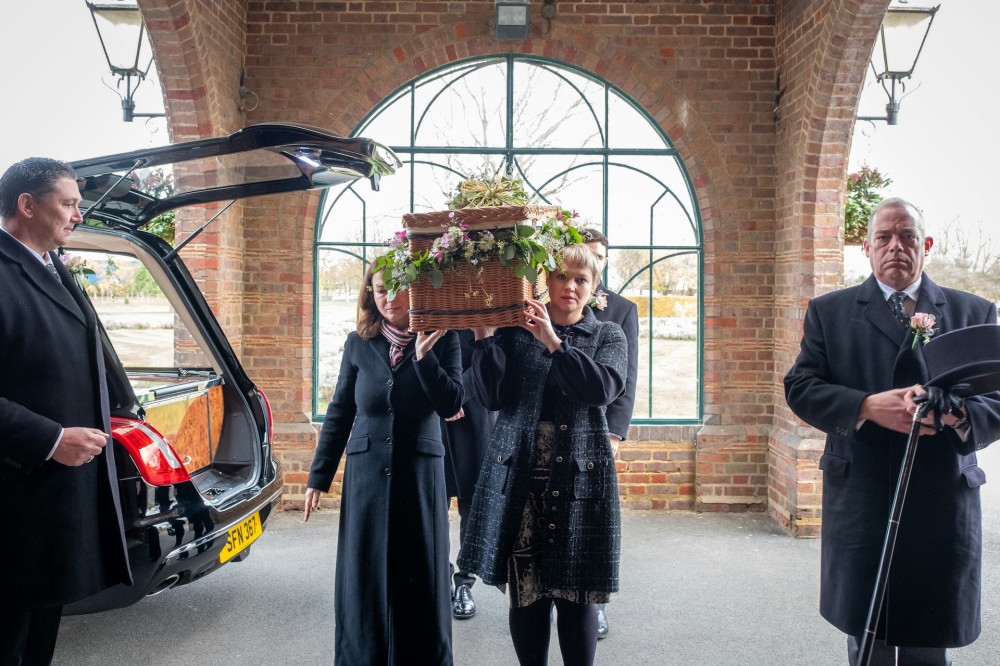
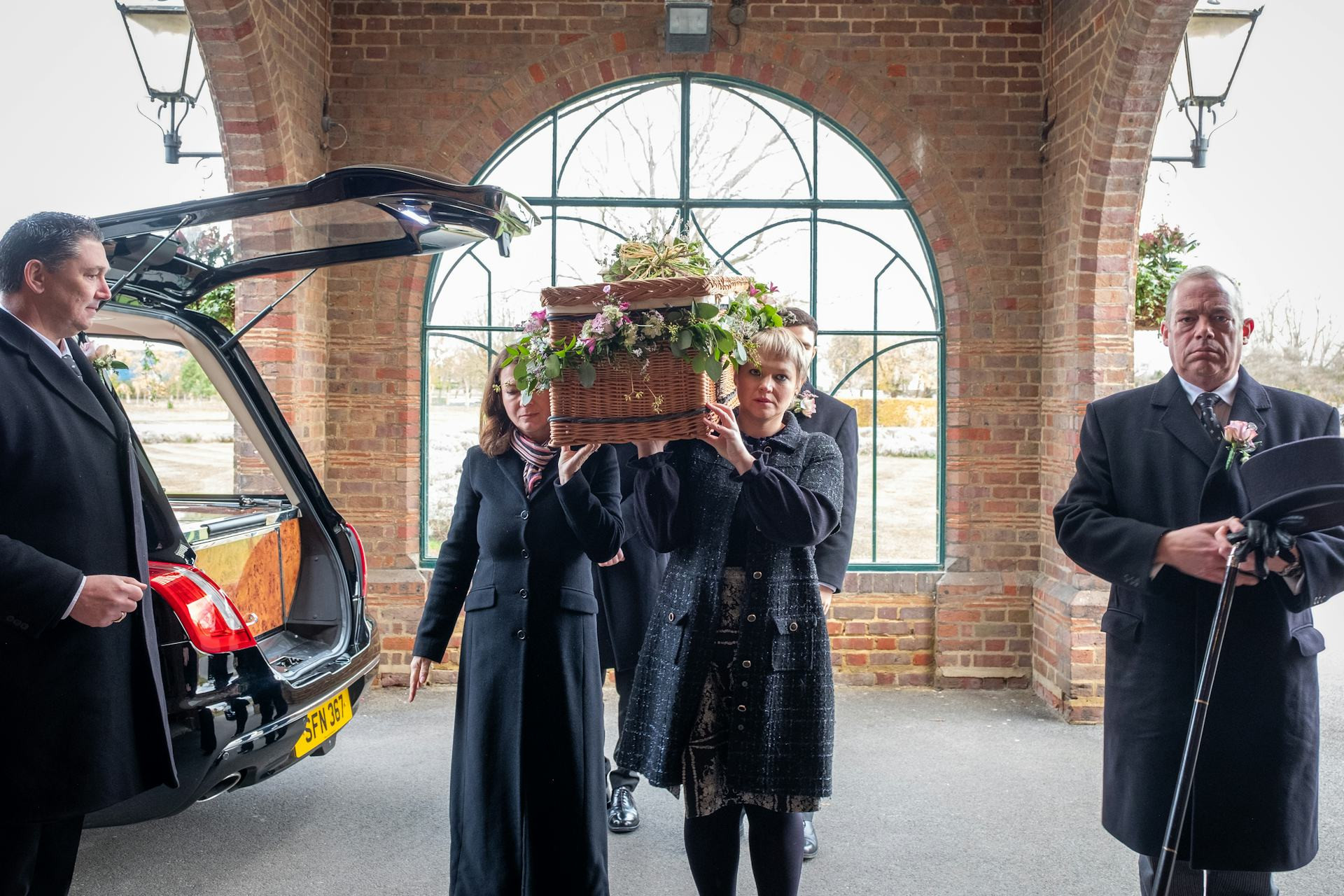
Just a few generations ago, cremation was seen as an unusual or even controversial choice in the United States. Burial was the norm, deeply rooted in religious tradition and cultural expectation. Today, however, cremation has become the most common form of final disposition in the country. What was once a taboo topic has evolved into a mainstream practice that reflects changing values, lifestyles, and beliefs about life and death.
From Skepticism to Acceptance
Cremation was rare in the U.S. until the mid-20th century. In 1960, fewer than 4% of Americans chose it. Many religious groups discouraged or outright forbade the practice, viewing burial as the only proper way to honor the body. The Catholic Church, for example, did not officially permit cremation until 1963, and even then, it was seen as a last resort.
Over time, attitudes began to shift. Urbanization, rising land costs, and a more mobile population made traditional burial less practical. As society became more secular, fewer people felt bound by religious prohibitions. Funeral homes and crematories also began offering more dignified and personalized services, helping to normalize cremation as a meaningful way to say goodbye. By 2020, the cremation rate in the U.S. had surpassed 56%, and it continues to rise each year.
Læs også:
New Values in Farewell Culture
The growing popularity of cremation reflects broader cultural changes. Americans today tend to value flexibility, individuality, and simplicity. Cremation allows families to design memorials that reflect the personality and wishes of the deceased—whether that means scattering ashes in a favorite place, keeping an urn at home, or holding a celebration of life instead of a traditional funeral.
Environmental concerns also play a role. Many people see cremation as a more sustainable option, since it requires less land and fewer resources than burial. However, awareness is growing about the carbon emissions associated with the process, leading to innovations such as water-based cremation (alkaline hydrolysis) and carbon-neutral crematories. These developments show how even in death, people are seeking ways to align their choices with their values.
Religion and Tradition in Transition
Religious perspectives on cremation have evolved significantly. The Catholic Church now allows cremation as long as the ashes are treated with respect and kept in a sacred place. Many Protestant denominations have long accepted it, while Eastern religions such as Hinduism and Buddhism have practiced cremation for centuries. In contrast, Jewish and Muslim traditions generally continue to favor burial, though individual practices vary.
In a religiously diverse nation like the United States, these differences coexist. The choice between burial and cremation has become less about doctrine and more about personal belief, family tradition, and practical considerations.
The Rise of the Personalized Goodbye
One of the most striking trends in modern funerals is the desire for personalization. Cremation offers families the freedom to plan ceremonies that feel authentic and meaningful. Some choose traditional services in a church or funeral home, while others opt for informal gatherings in parks, beaches, or private homes.
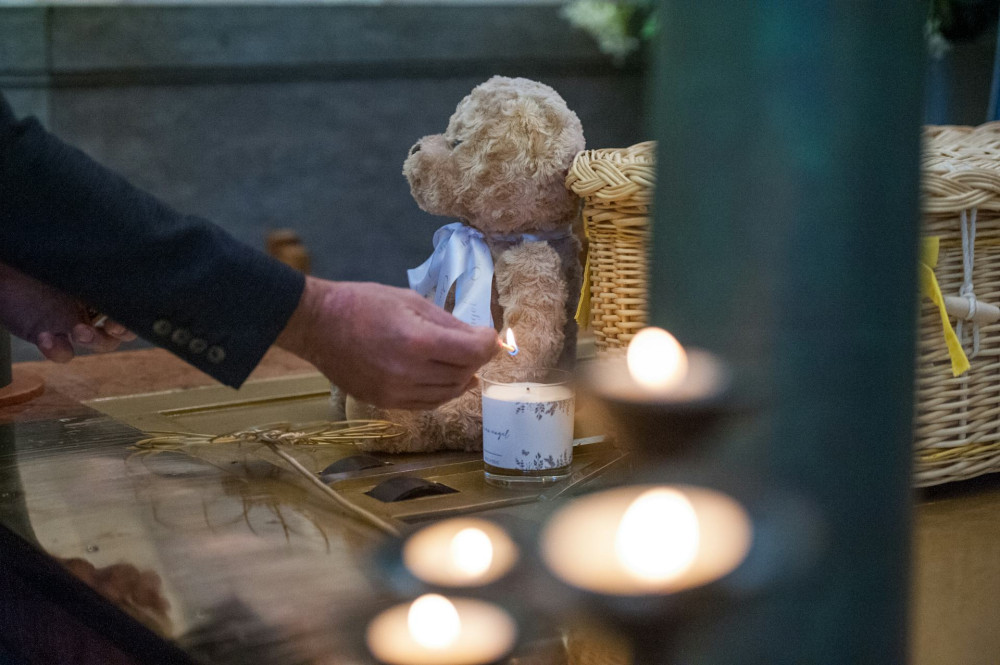
Preplanning has also become more common. Many Americans now make their wishes known in advance—selecting music, readings, or the location for their ashes. This not only eases the burden on loved ones but also turns the end-of-life process into an opportunity for reflection and self-expression.
A New Conversation About Death
The normalization of cremation mirrors a broader cultural shift: Americans are becoming more open about discussing death. Once a taboo subject, it is now part of conversations about sustainability, spirituality, and personal legacy. Books, podcasts, and “death cafés” encourage people to talk about mortality in honest and even creative ways.
Cremation’s rise is more than a practical trend—it’s a sign of how society’s relationship with death is changing. What was once viewed with suspicion is now embraced as a meaningful, flexible, and often deeply personal tradition. In this transformation, Americans are finding new ways to honor the past while expressing the values of the present: freedom, individuality, and respect for both life and the planet.
Læs også: