Make the Ceremony Personal – Incorporate the Deceased’s Life Story, Values, and Interests

Make the Ceremony Personal – Incorporate the Deceased’s Life Story, Values, and Interests
A farewell ceremony is more than a goodbye—it’s a chance to tell the story of a life well lived. When you weave the deceased’s life story, values, and interests into the service, it becomes more than a formal event; it becomes a heartfelt tribute that feels genuine and comforting. For family and friends, a personal ceremony can bring a sense of closeness and recognition amid grief. Here are some ways to create a meaningful farewell that truly reflects the person being remembered.
Tell the Story of a Life
Every life holds a unique story. By letting that story guide the ceremony, you can create a thread that connects memories and emotions. This can be done through eulogies, photos, music, or small anecdotes that capture who the person was.
Highlight the moments that best represent their character—childhood adventures, youthful dreams, career milestones, or the everyday gestures that made them special. It’s not about recounting every detail, but about choosing the stories that reveal their personality and outlook on life.
Let Values Shine Through
Many families find comfort in letting the ceremony reflect the deceased’s values. Was this person known for kindness, humor, or a deep love of nature? Those qualities can shape the tone of the service. Someone who valued simplicity might have appreciated a quiet gathering outdoors, while a more outgoing spirit might have wanted a celebration filled with laughter and music.
You can also express values through readings, symbols, or rituals. A favorite poem, a meaningful quote, or a passage that reflects their beliefs can add depth and coherence to the ceremony.
Include Interests and Passions
Incorporating the deceased’s hobbies and passions can make the ceremony feel personal and alive. Did they love gardening, painting, fishing, or playing music? You can include these elements through photos, personal items, or music that connects to their interests.
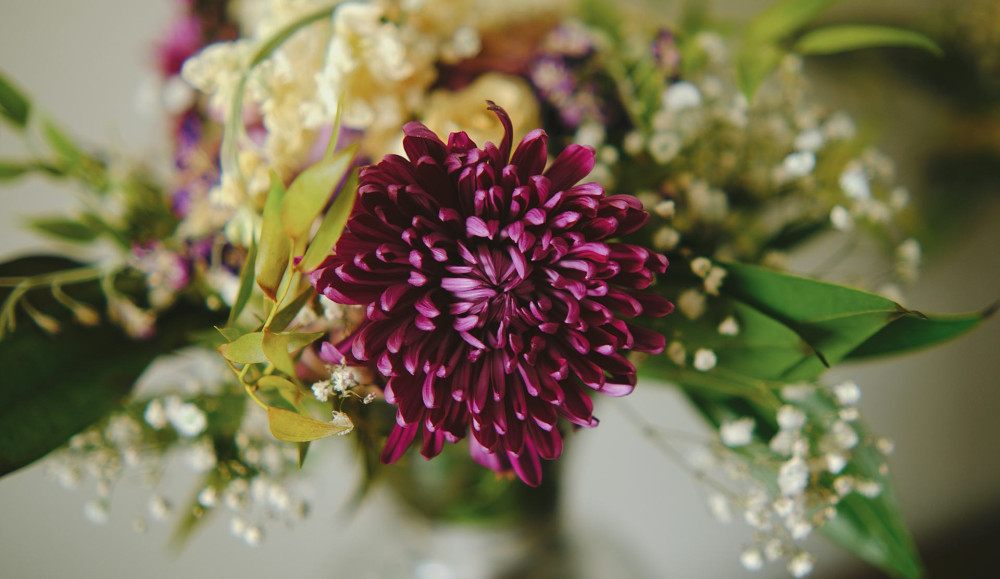
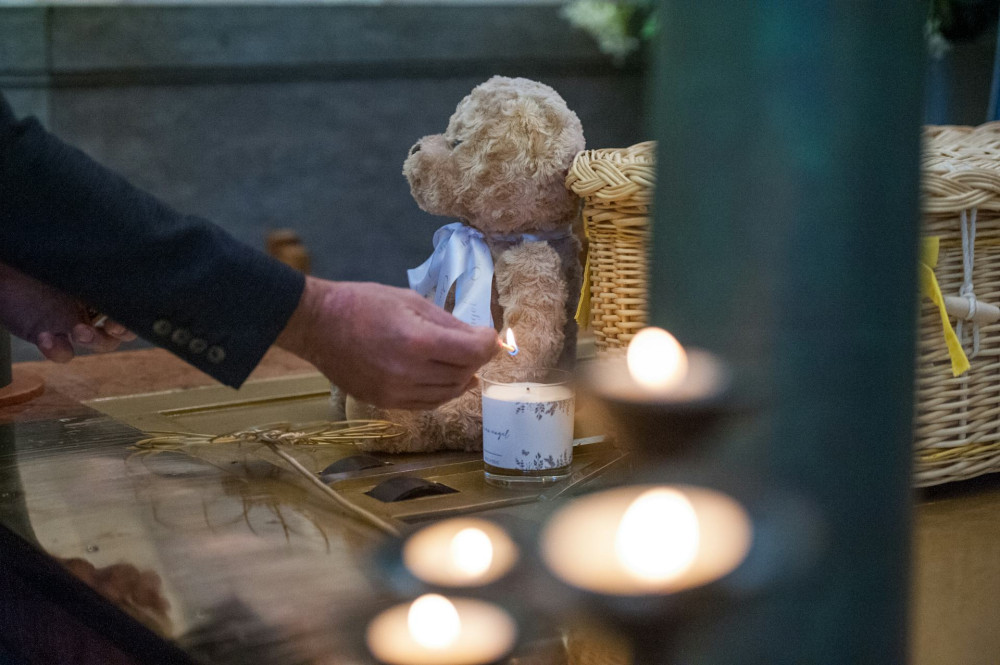
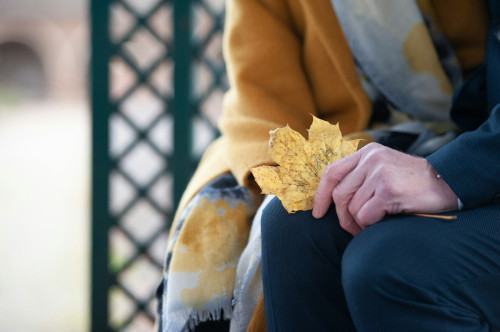
A display of personal belongings, a flower from their garden, or a melody they cherished can evoke powerful memories. Often, it’s the small, thoughtful details that make the biggest impact.
Invite Loved Ones to Contribute
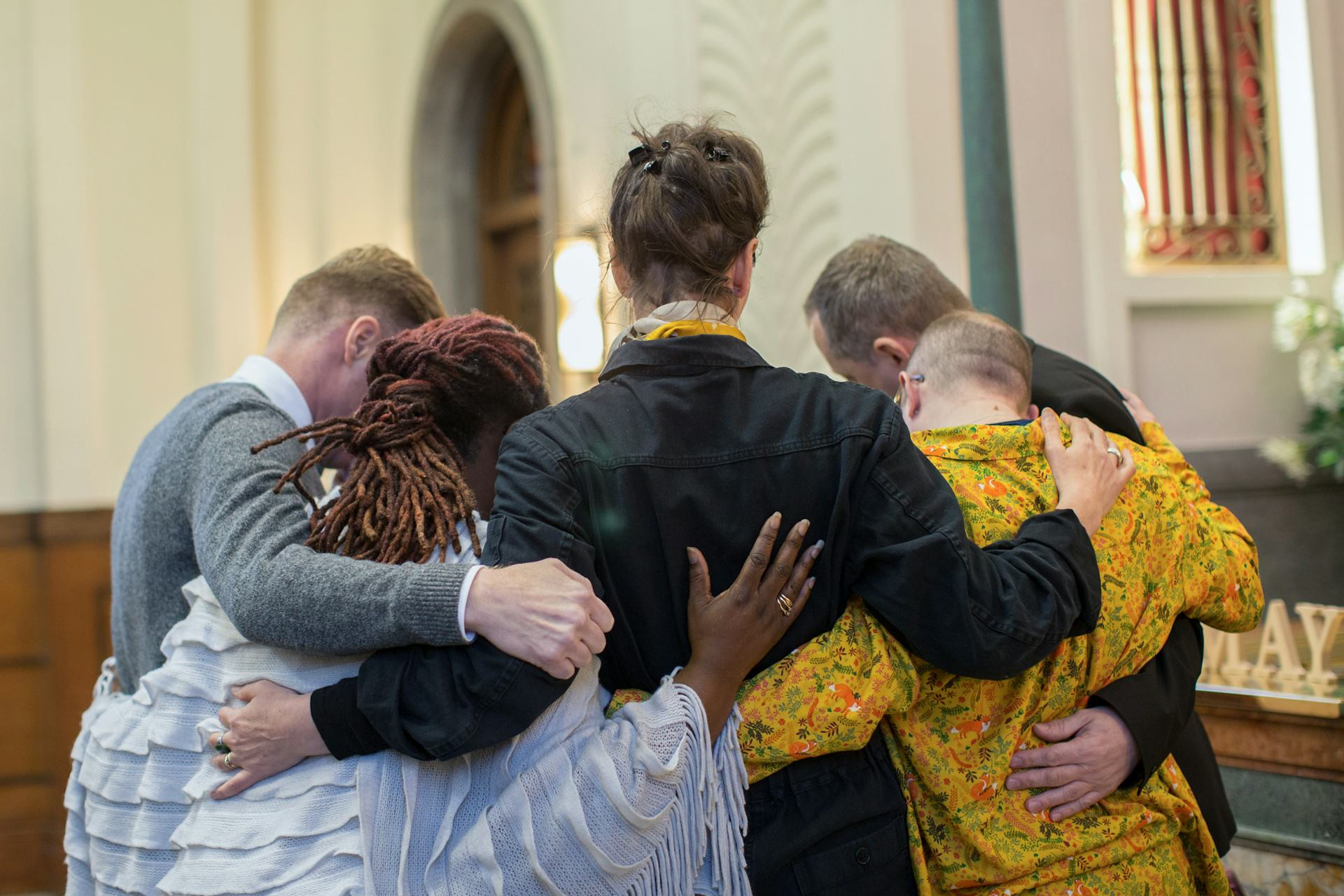
A ceremony becomes even more meaningful when several voices are heard. Invite family and friends to share memories, read a letter, or choose a song that holds special meaning. Hearing different perspectives on the person’s life can be deeply moving and help everyone feel united in remembrance.
If speaking feels too difficult, a celebrant, minister, or close friend can help share the words on behalf of others. What matters most is that the tone feels sincere and respectful.
Læs også:
Create the Right Setting
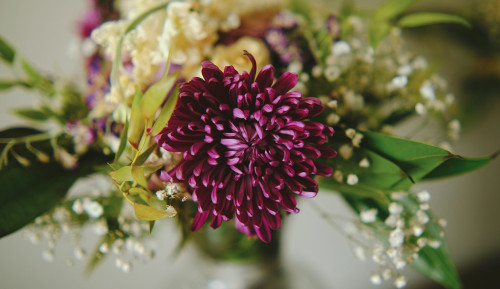
The setting of the ceremony plays a big role in shaping the atmosphere. Some families choose a church or funeral home, while others prefer a park, beach, or backyard—somewhere that feels right for the person being honored. Lighting, flowers, and music can all help create a mood that reflects their personality—warm, peaceful, colorful, or simple.
Even small touches, like displaying favorite photos or using their favorite flowers, can make the space feel more personal and comforting.
A Farewell That Becomes a Memory
Making a ceremony personal isn’t about perfection—it’s about creating a space where love, gratitude, and memories can be shared. When the farewell reflects the deceased’s life and values, it becomes more than a goodbye—it becomes a celebration of everything they were.
For those left behind, it can bring peace to know that the ceremony honored the person’s true self. And in that shared remembrance, a lasting connection remains—one built on love, respect, and the stories that will continue to be told.
Læs også: