Climate and Culture: How the Environment Shapes Regional Food Traditions


Climate and Culture: How the Environment Shapes Regional Food Traditions
Food is more than sustenance—it’s a reflection of place, history, and adaptation. Across the United States, from the rocky coasts of Maine to the deserts of the Southwest, climate and geography have shaped what people eat and how they prepare it. Each region’s cuisine tells a story about survival, creativity, and the deep connection between people and their environment.
The Climate’s Influence on the American Table
Climate determines what can grow, what can be raised, and what must be preserved. In the cold winters of New England, early settlers relied on root vegetables, salted fish, and hearty stews to endure the season. Preservation methods like pickling and smoking became essential, and they remain part of the region’s culinary identity today.
In contrast, the warm, humid climate of the South allowed for long growing seasons and a rich agricultural tradition. Corn, rice, and okra thrived, and African, Native American, and European influences blended to create dishes like gumbo and jambalaya—meals that celebrate abundance and community. Meanwhile, the arid Southwest inspired a cuisine built around drought-resistant crops such as beans, squash, and chili peppers, reflecting centuries of Indigenous agricultural wisdom.
Ingredients as Cultural Identity
Certain ingredients have become symbols of regional pride. In the Midwest, corn is more than a crop—it’s a cultural cornerstone, shaping everything from family farms to summer festivals. Along the Pacific Coast, salmon has long been central to Indigenous diets and remains a defining ingredient in the region’s cuisine. In Louisiana, the use of spices, rice, and seafood tells a story of cultural fusion and adaptation to the wetlands and bayous.
These foods are not just local specialties; they are expressions of identity. They remind communities of their roots and of the ways people have learned to thrive within their specific environments.
Changing Climate, Changing Cuisine
As the climate changes, so too does the food on our plates. Rising temperatures and shifting rainfall patterns are altering growing seasons and threatening traditional crops. Wine production is moving northward, while droughts in California challenge the state’s vast agricultural output. Fishermen in the Gulf of Mexico are seeing changes in fish populations as ocean temperatures rise.
Yet these challenges also inspire innovation. Farmers are experimenting with more resilient crops, chefs are turning to local and seasonal ingredients, and communities are rediscovering traditional preservation methods. The movement toward sustainable, climate-conscious eating is, in many ways, a return to the old idea of living in rhythm with the land.
The Double Edge of Globalization
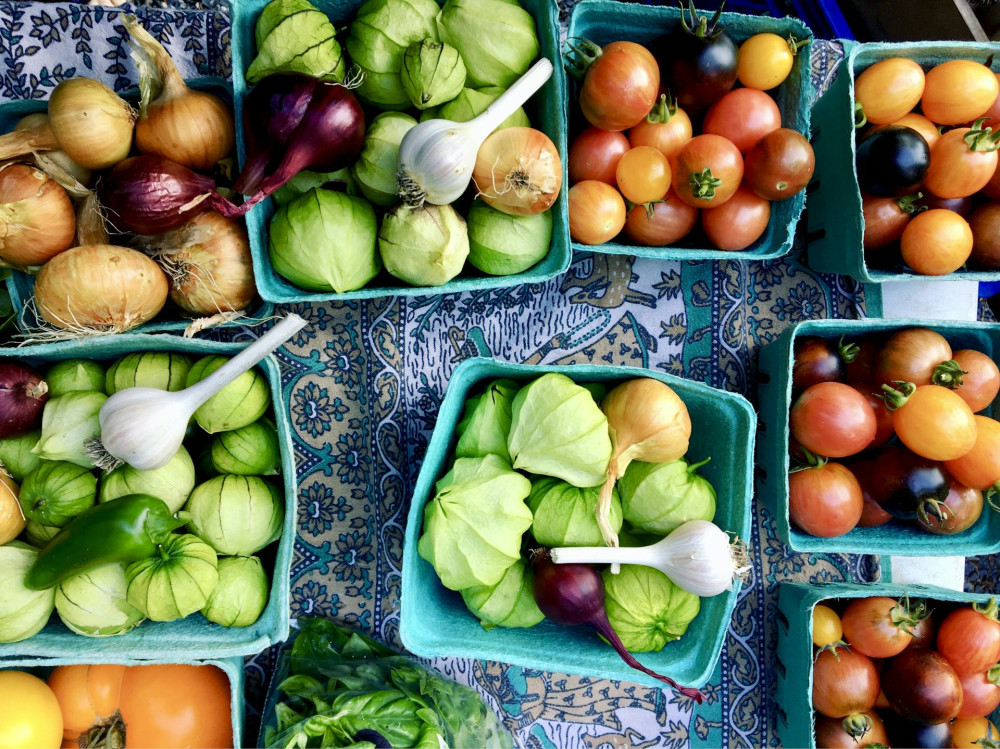
Global trade and transportation have made it possible to enjoy tropical fruit in winter and imported cheese year-round. But this convenience has also blurred regional distinctions. At the same time, it has sparked a renewed interest in local food traditions. Farmers’ markets, community-supported agriculture, and regional food festivals are thriving as Americans seek authenticity and connection in what they eat.
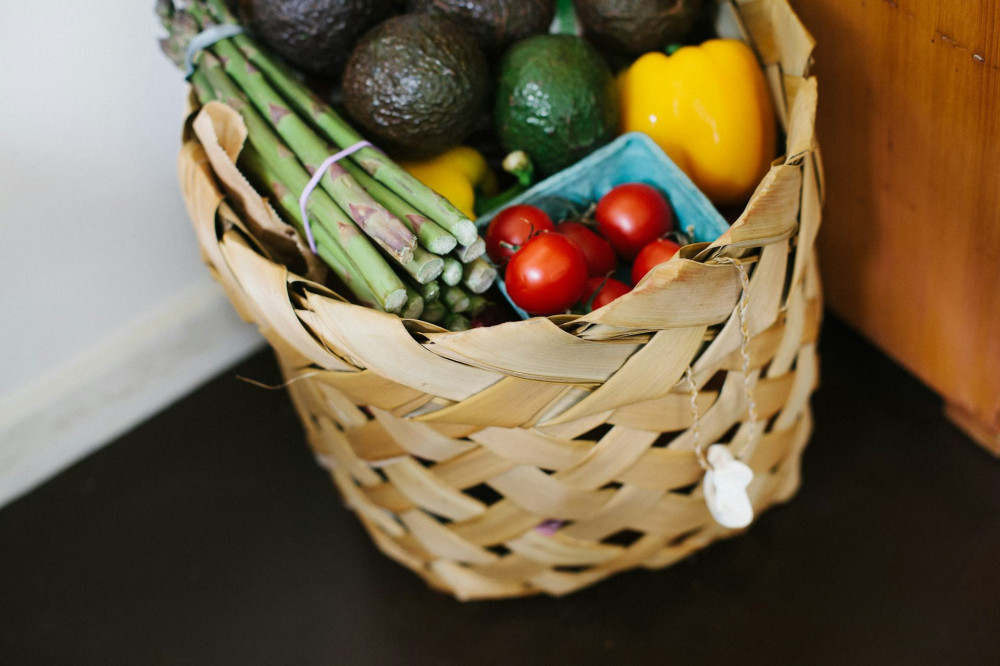
Even as global flavors mix and travel, regional cuisines continue to evolve rather than disappear. A California taco might feature locally grown avocados and sustainable fish, while a New England clam chowder might be reimagined with plant-based ingredients. Tradition and innovation coexist, each shaped by the environment and the times.
Læs også:


Food as a Story of Place and Time
Every meal carries a story—of soil, weather, migration, and memory. The foods we cherish are living records of how people have adapted to their surroundings and turned necessity into culture. Understanding the link between climate and cuisine helps us appreciate not only what we eat, but also where it comes from and why it matters.
Even in a globalized world, our tastes remain rooted in the landscapes that sustain us. The environment continues to shape our food traditions, reminding us that to eat is also to connect—with the land, with history, and with one another.
Læs også: