Learn Food Styling with Simple Dishes and Natural Light

Learn Food Styling with Simple Dishes and Natural Light
Food styling isn’t just about making food look good—it’s about telling a story through color, texture, and light. Whether you dream of sharing your dishes on social media, building a food blog, or simply making your everyday meals more inviting, you can achieve beautiful results with a few simple techniques. Here’s how to start learning food styling using simple dishes and natural light.
Start Simple—and Learn from It
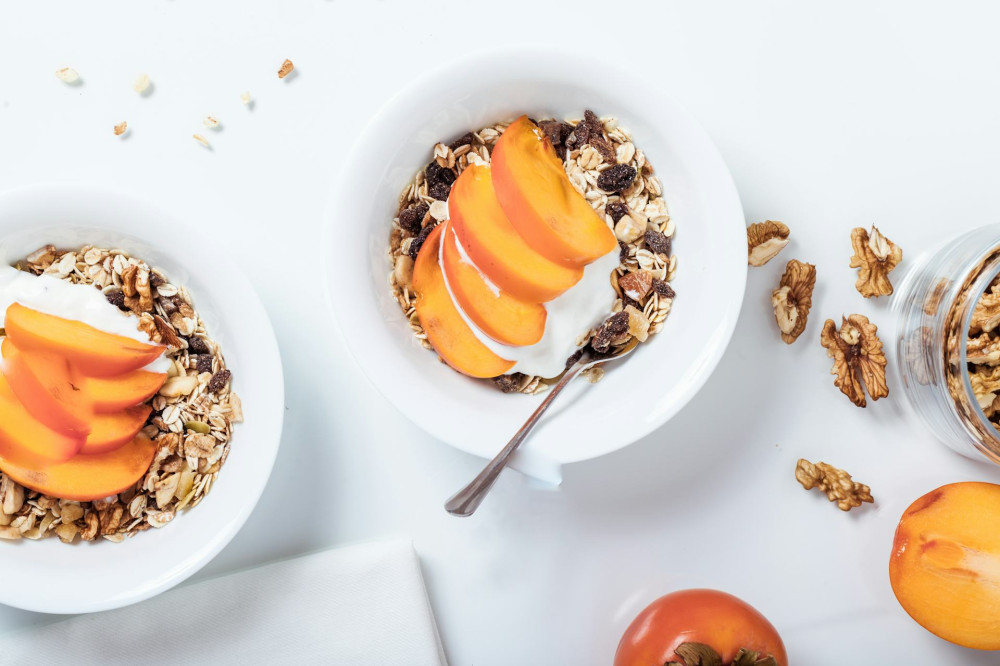
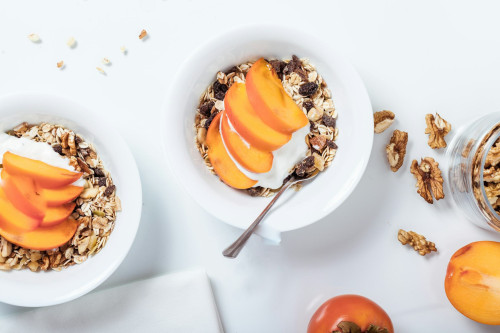
It’s tempting to dive into elaborate setups with multiple elements, but the best place to begin is with simplicity. A bowl of oatmeal topped with berries, a cup of coffee with foam, or a slice of homemade bread can be perfect subjects.
Working with simple dishes helps you focus on composition, color, and light—the building blocks of food styling. Practice noticing how small changes in angle or placement can completely shift the mood of your image.
Use Natural Light—Your Best Friend
Natural light is the most flattering light for food photography. It enhances colors and creates a soft, authentic atmosphere that artificial lighting rarely matches.
- Find the best spot in your home—usually near a window with indirect light. Direct sunlight can create harsh shadows, so use a sheer curtain or a piece of parchment paper to diffuse it.
- Turn off overhead lights—mixed lighting from different sources can cause unwanted color tones.
- Experiment with direction—try letting the light come from the side or behind the dish to add depth and highlight textures.
A simple setup—a table by a window and a white wall or piece of foam board as a reflector—can produce surprisingly professional results.
Think in Colors and Contrasts
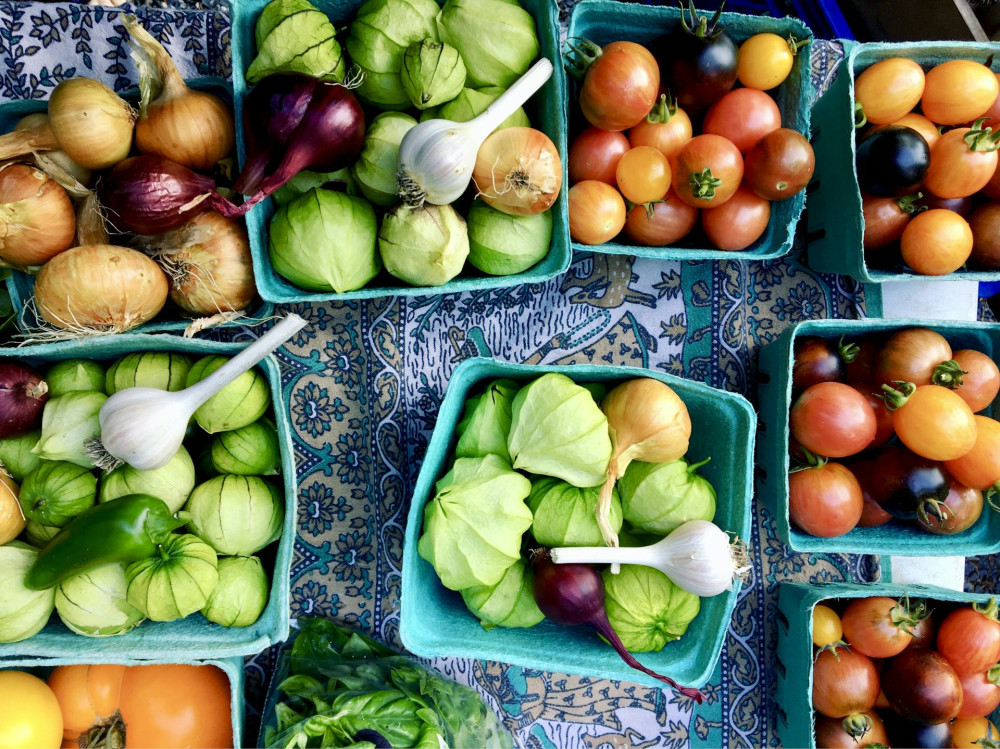
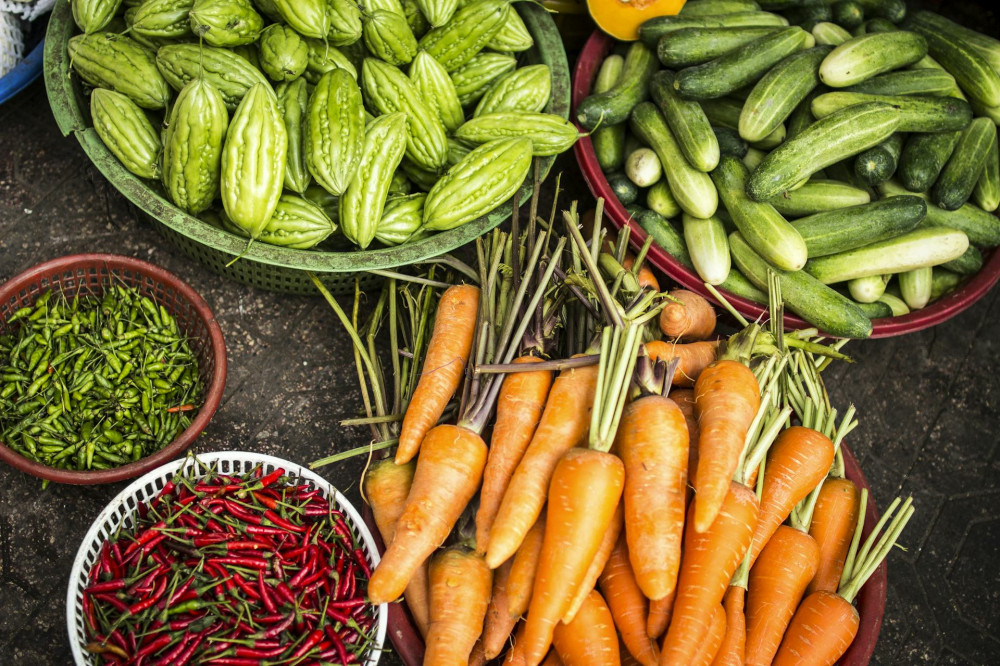
Color plays a crucial role in food styling. A dish with mostly brown tones can look flat, while a sprinkle of fresh herbs or a colorful garnish can bring it to life.
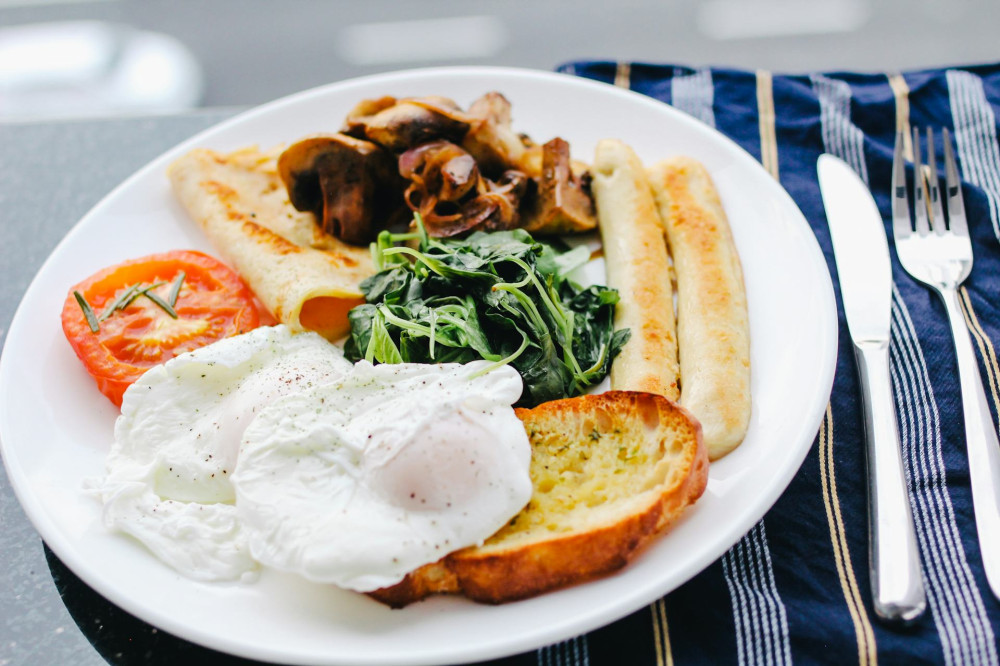
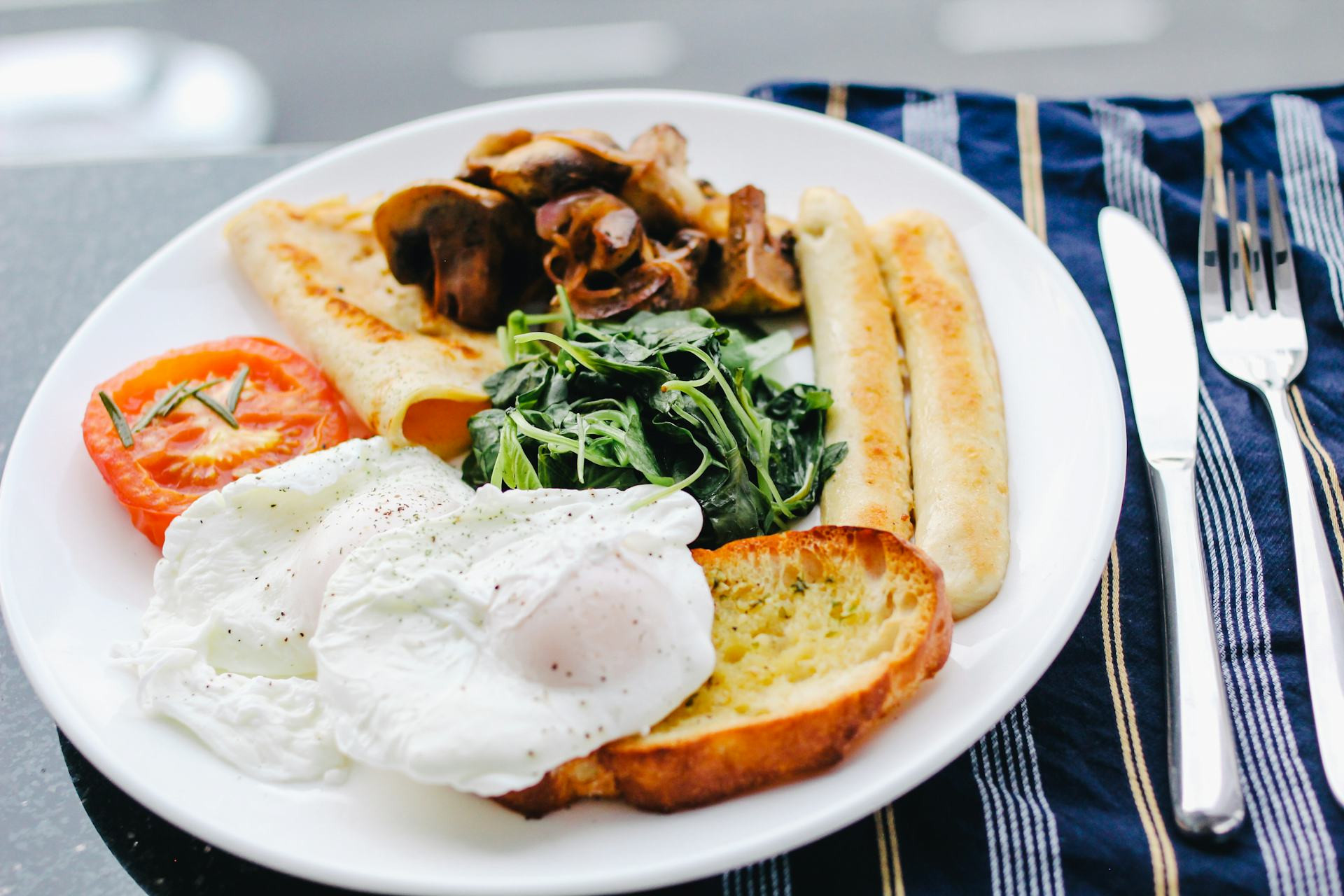
- Use complementary colors—for example, green herbs with red tomatoes or a blue background with orange elements.
- Keep the palette simple—too many colors can feel chaotic. Stick to two or three main tones that harmonize.
- Consider the background—a neutral surface helps the food stand out, while a rustic texture can add warmth and character.
A good trick is to take a test photo and check how the colors interact on screen—it often reveals imbalances you might not notice with the naked eye.
Læs også:

Create Atmosphere with Props
Props help tell the story behind the dish. A spoon with a bit of sauce, a linen napkin, or a half-eaten cookie can make the scene feel more natural and human.
But don’t overdo it. Too many elements can distract from the food. Choose a few meaningful details that support the mood—like a ceramic bowl for a cozy soup or a glass of iced water for a fresh salad.
Think about materials, too: wood, ceramic, and linen create a warm, organic feel, while metal and glass can give a modern, clean look.
Composition—Guide the Viewer’s Eye
A strong composition leads the viewer’s gaze. Use classic principles like the rule of thirds, placing your main subject slightly off-center, or leading lines, such as utensils or napkins that point toward the dish.
Try different angles:
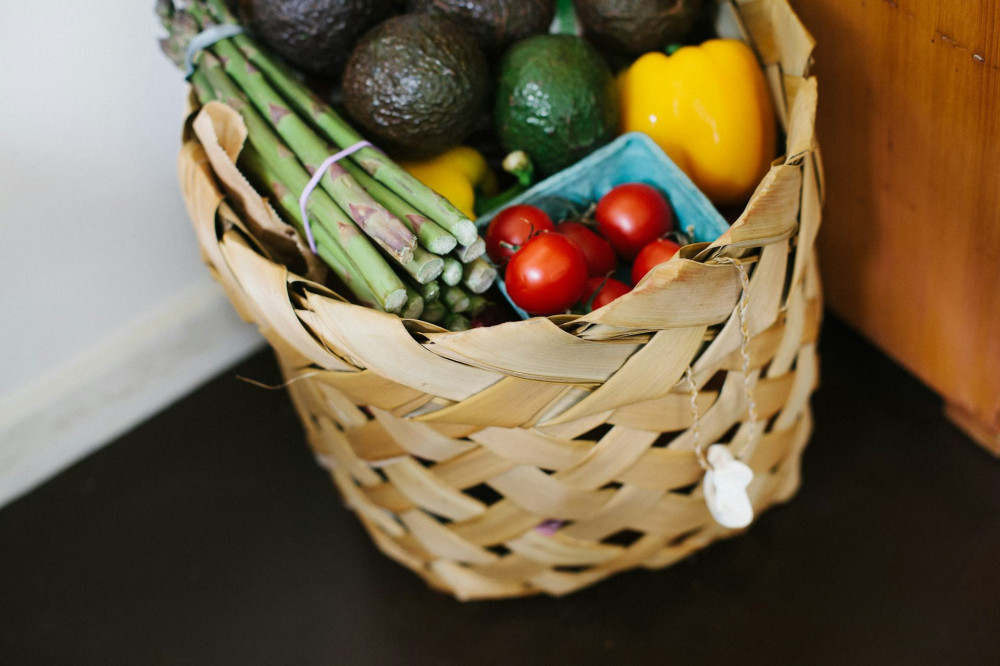
- Overhead (flat lay) works well for dishes with many elements, like salads or brunch spreads.
- Side view is ideal for layered foods like cakes or burgers.
- 45 degrees gives a natural perspective, similar to how we see food when we eat.
Experiment and find the angle that best highlights your dish’s personality.
Editing—The Final Touch
Even the best photos can benefit from light editing. Adjust brightness, contrast, and white balance to make the image look natural and appetizing. Avoid over-editing—your food should still look like food.
Free apps like Lightroom Mobile or Snapseed can do a lot without requiring professional equipment. Remember, the goal isn’t perfection—it’s authenticity.
Practice—and Find Your Style
Food styling is a creative process that improves with practice. Take photos often, try different setups, colors, and lighting conditions. Over time, you’ll discover what appeals to you most—whether it’s a minimalist, rustic, or vibrant style.
Most importantly, have fun and let your personality shine through. When you work with natural light and simple dishes, you quickly learn to see beauty in the everyday—and that’s where the best food styling begins.
Læs også: