Traditional Eating Habits as Inspiration for a Sustainable Food Culture


Traditional Eating Habits as Inspiration for a Sustainable Food Culture
As climate change and resource scarcity become increasingly urgent issues, many Americans are rethinking the way they eat. But perhaps part of the solution lies not in new technology or trends, but in the wisdom of the past. Traditional eating habits—those practiced by earlier generations—offer valuable lessons for building a more sustainable and mindful food culture today.
The Past as a Model of Circular Thinking
Before refrigeration, industrial farming, and global supply chains, food was deeply connected to the seasons and the local environment. People ate what was available nearby, preserved what they could, and wasted very little. Leftovers became the base for new meals, and preservation methods like canning, fermenting, and smoking ensured that nothing went to waste.
This wasn’t a conscious environmental choice—it was a necessity. Yet, it reflects a circular mindset that modern sustainability efforts strive to recreate: using resources fully, respecting natural cycles, and valuing what the land provides.
Local and Seasonal Eating
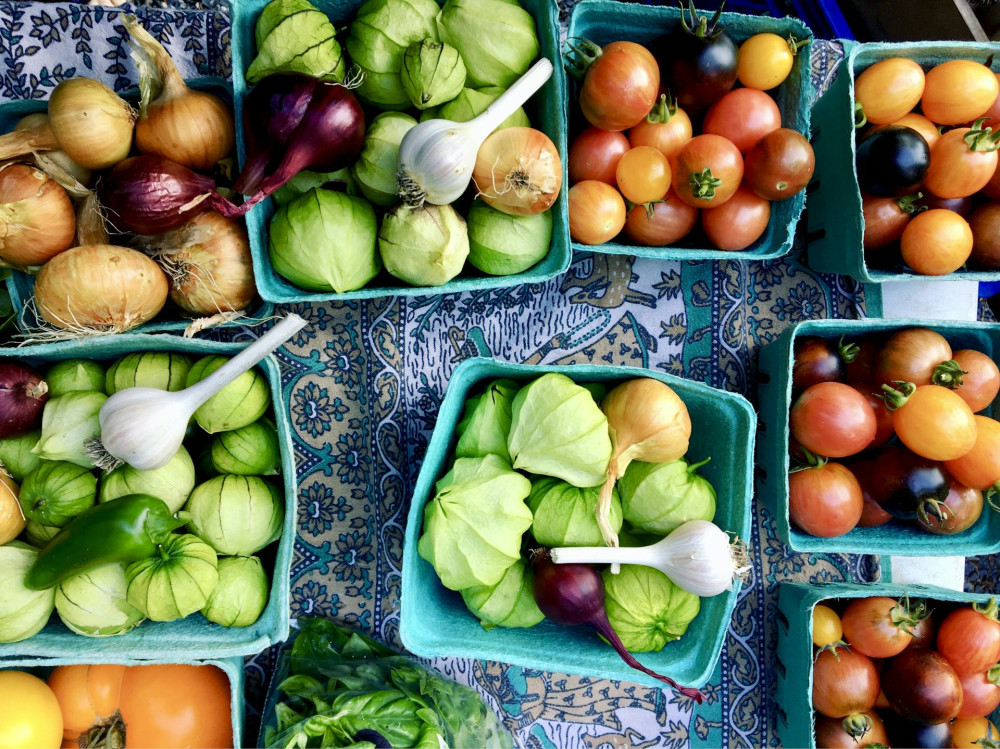
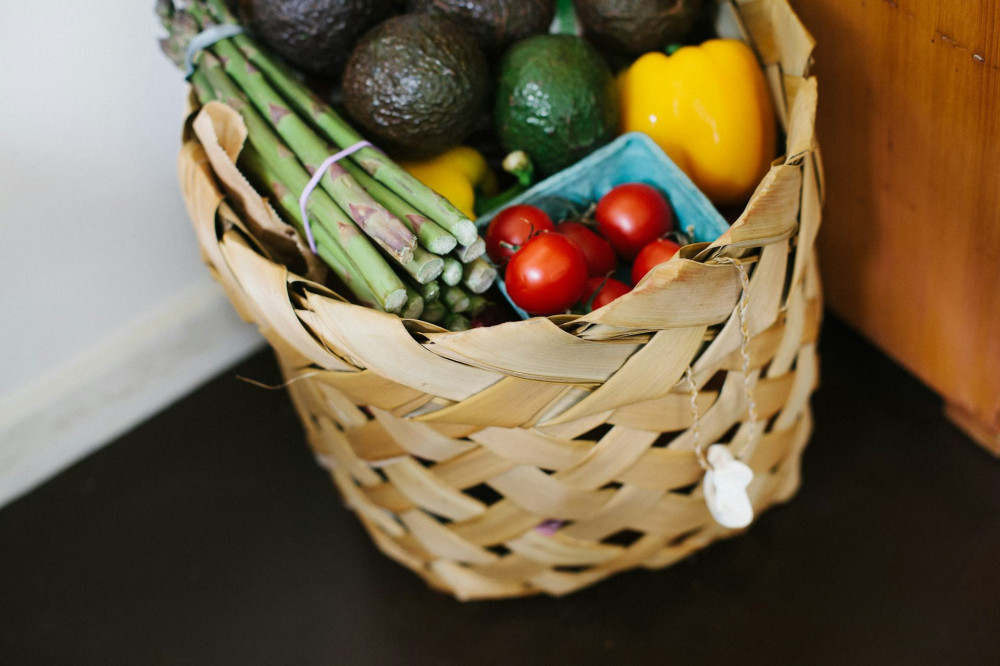
Today, it’s easy to find strawberries in December or avocados year-round, but that convenience comes with a cost—long-distance transportation, high energy use, and a disconnect from nature’s rhythms. In the past, Americans ate seasonally: apples and squash in the fall, root vegetables in winter, and fresh greens in spring and summer.
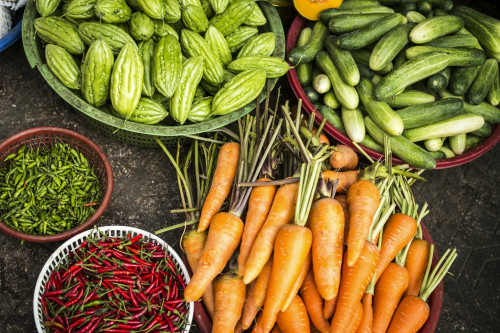
Returning to a more seasonal approach can reduce carbon emissions and reconnect us with the land. Farmers’ markets, community-supported agriculture (CSA) programs, and local food co-ops make it easier than ever to eat with the seasons. Planning meals around what’s fresh and local—sweet corn in July, pumpkins in October—can make eating both more sustainable and more flavorful.
Rethinking Meat’s Role
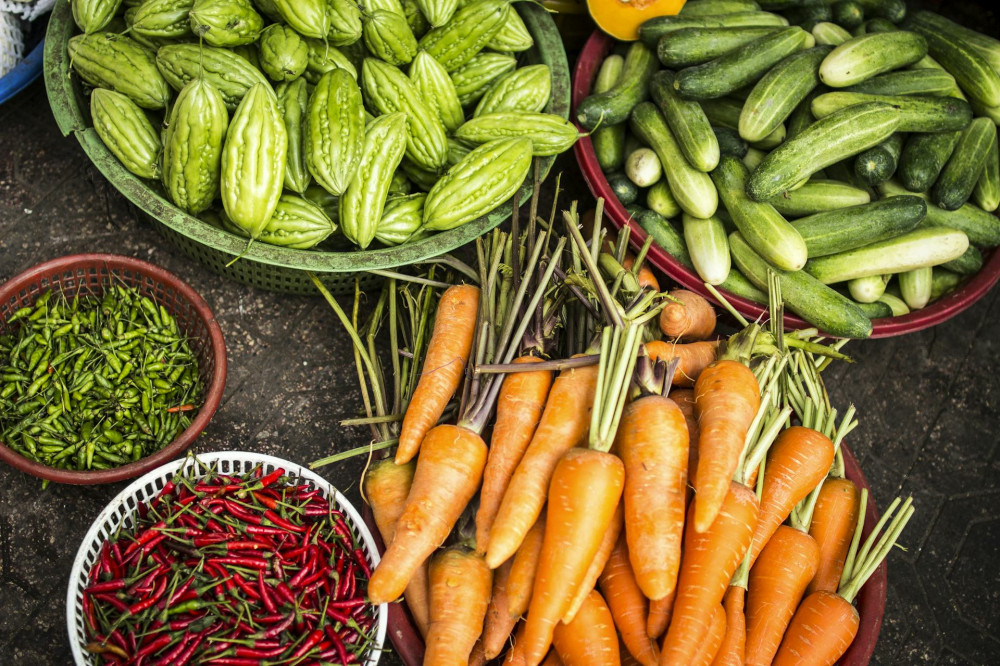
In many traditional American diets, meat was not always the centerpiece of every meal. It was often used sparingly, to flavor stews, soups, and casseroles, while vegetables, grains, and legumes provided the bulk of nourishment. This approach was both economical and sustainable.
Today, reducing meat consumption doesn’t mean giving up taste or satisfaction. By letting plant-based ingredients take the lead and using meat as a complement rather than the main attraction, we can lower our environmental footprint while still enjoying hearty, delicious meals. Dishes like bean chili, vegetable pot pie, or lentil stew can be both comforting and climate-friendly.
Læs også:


Rediscovering Old Techniques
Traditional food preservation methods—fermenting, pickling, drying, and baking with natural starters—are making a comeback. These techniques extend shelf life, reduce food waste, and create unique flavors. Learning to make sauerkraut, sourdough bread, or homemade jam isn’t just nostalgic; it’s a way to reconnect with food craftsmanship and reduce dependence on industrially processed products.
By reviving these skills, we gain a sense of self-sufficiency and a deeper appreciation for the ingredients we use. When we invest time in preparing and preserving food, we’re less likely to waste it.
Food as a Social Experience
Traditional food culture was also about community. Meals were shared events—times to gather, talk, and connect. In today’s fast-paced world, where eating often happens alone or on the go, we’ve lost some of that social dimension.
Reclaiming the communal aspect of eating can strengthen both social ties and sustainability. Cooking together, sharing meals with neighbors, or participating in community gardens and potlucks fosters connection and reduces waste. When food becomes a shared experience, it gains meaning beyond mere consumption.
Building a Modern Food Culture with Deep Roots
Drawing inspiration from traditional eating habits doesn’t mean turning back the clock. It means carrying forward the best of the past—respect for ingredients, care for resources, and joy in cooking from scratch—into a modern context.
By blending old wisdom with new knowledge, Americans can create a food culture that nourishes both people and the planet. Tradition reminds us that sustainability isn’t about sacrifice—it’s about creativity, connection, and rediscovering the simple pleasures of good, honest food.
Læs også: