Eat More Climate-Friendly Without Compromising Nutrition


Eat More Climate-Friendly Without Compromising Nutrition
Eating in a climate-friendly way isn’t just about protecting the planet—it’s also about taking care of your own health. Many people assume that a sustainable diet means giving up protein, energy, or flavor, but that doesn’t have to be the case. With a few simple changes, you can eat in a way that’s both nutritious and better for the environment—without sacrificing taste or satisfaction.
Cut Back on Meat—Not on Protein
Meat, especially beef and lamb, has one of the highest carbon footprints of all foods. By reducing your meat intake and replacing some of it with plant-based protein sources, you can significantly lower your environmental impact.
Great alternatives include:
- Beans, lentils, and chickpeas – packed with protein, fiber, and iron.
- Tofu and tempeh – soy-based options that are versatile and have a much smaller climate footprint than meat.
- Nuts and seeds – perfect as snacks or toppings, and rich in healthy fats.
You don’t have to go vegetarian overnight. Start with one or two meatless days a week and try dishes like lentil chili, veggie tacos, or black bean burgers.
Læs også:


Choose Seasonal and Local Produce
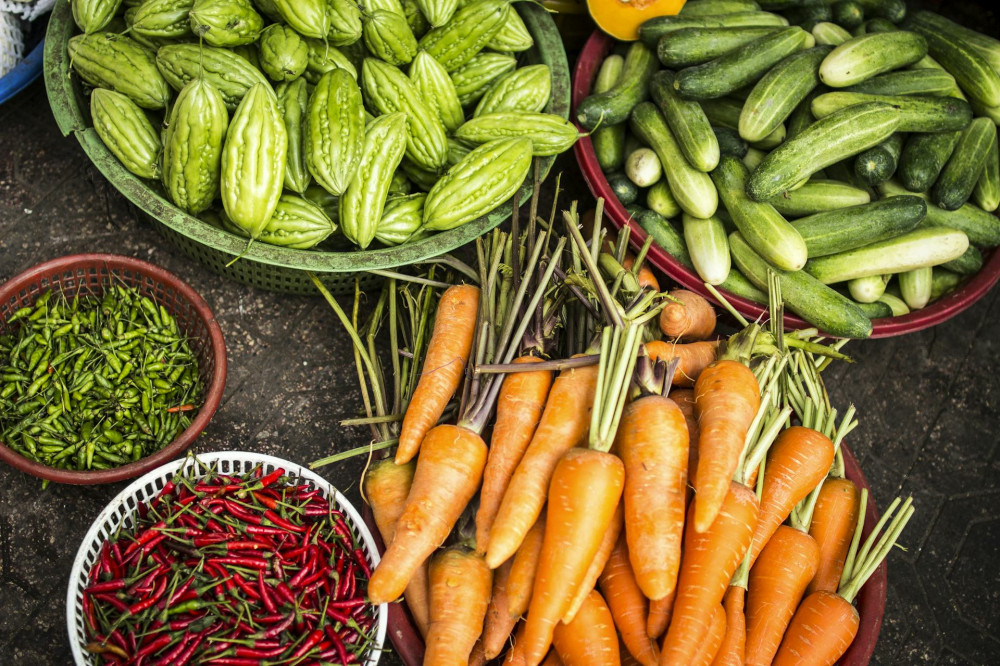
Buying fruits and vegetables that are in season means fresher food and a smaller carbon footprint. Produce that’s shipped long distances often requires more energy for transportation and refrigeration.
Here are some examples of what’s in season in the U.S.:
- Spring: asparagus, spinach, peas.
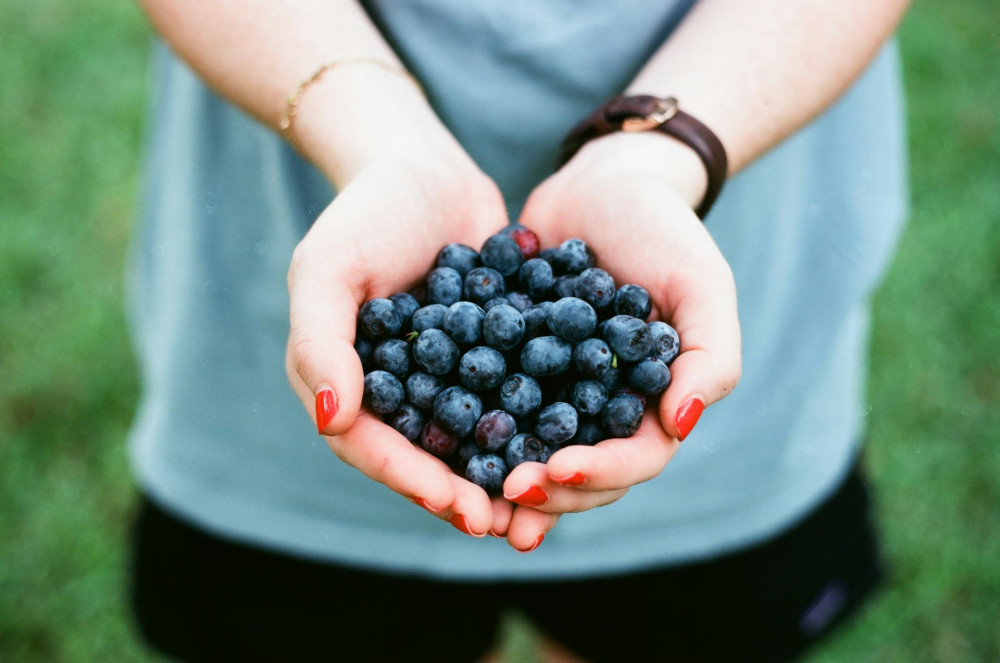
- Summer: tomatoes, berries, zucchini.
- Fall: apples, squash, sweet potatoes.
- Winter: carrots, kale, cabbage.
Shopping at local farmers markets or joining a community-supported agriculture (CSA) program helps support local growers and reduces the need for long-distance transport.
Reduce Food Waste
About one-third of all food produced in the U.S. ends up wasted. That’s not only a waste of money but also a major source of greenhouse gas emissions. You can make a difference with a few simple habits:
- Plan your meals so you only buy what you’ll actually use.
- Get creative with leftovers—turn extra veggies into soups or stir-fries, and use leftover grains in salads.
- Store food properly to extend its shelf life.
- Freeze extra portions for later.
Cutting food waste is one of the easiest and most effective ways to reduce your climate impact—and it saves money too.
Go for Whole Grains and Fiber-Rich Foods
Whole grains like oats, brown rice, and whole wheat bread require less processing than refined grains and contain more nutrients. They help you feel full longer and keep your energy steady, making it easier to eat less meat without feeling hungry.
Pair whole grains with hearty vegetables like carrots, broccoli, and leafy greens. As a general rule, the closer your food is to its natural form, the better it is for both your health and the planet.
Rethink Your Drinks
Beverages can have a surprising environmental impact. Coffee, wine, and soda all require significant resources to produce and transport. Tap water, on the other hand, is healthy, inexpensive, and eco-friendly. If you want variety, try homemade iced tea or water infused with fruit and herbs.
When buying drinks, choose products in recyclable containers and avoid single-use plastics whenever possible.
Small Steps, Big Impact
Eating more climate-friendly doesn’t mean being perfect—it’s about making mindful choices. Every time you choose plants over meat, seasonal produce over imported goods, or use leftovers instead of throwing them away, you’re contributing to a more sustainable future.
Start small and find what works for your lifestyle. Over time, you’ll discover that climate-friendly eating isn’t just good for the planet—it’s good for you too.
Læs også: