Patience and Acceptance – The Path to Less Stress in Everyday Life

Patience and Acceptance – The Path to Less Stress in Everyday Life
In a world that moves faster every day, it can feel like there’s never enough time. Between work deadlines, family responsibilities, and the constant buzz of notifications, many Americans find themselves caught in a cycle of doing more and resting less. Yet one of the most powerful ways to reduce stress isn’t about adding another productivity hack—it’s about letting go. Practicing patience and acceptance can help us find calm in the middle of life’s chaos.
When the Pace Takes Over
Modern life rewards speed. We expect instant responses, same-day delivery, and quick results. When things don’t happen as fast as we’d like, frustration often follows. It’s a natural reaction—but one that drains our energy.
Patience doesn’t mean giving up or settling for less. It means recognizing that some things take time and that not everything can be controlled. When we accept this, we release some of the mental pressure that fuels stress. It’s not about losing ambition—it’s about finding a sustainable rhythm that supports both our goals and our well-being.
Acceptance as an Antidote to Control
Much of our stress comes from the desire to control outcomes—our careers, relationships, finances, and even the future. But the truth is, many things lie beyond our influence. Acceptance is about acknowledging that reality without surrendering to it.
When we accept what we can’t change right now, we create space to focus on what we can do. That might mean adjusting expectations, changing our approach, or simply taking a deep breath before reacting. A helpful question to ask is: Is this something I can act on, or something I need to accept? That distinction brings clarity and reduces the feeling of helplessness.
Practicing Patience in Daily Life
Becoming more patient takes practice. It’s not about suppressing frustration but about meeting it with awareness. Here are a few simple ways to build patience into your day:
- Practice waiting – Stand in line without checking your phone. Notice how it feels to simply wait.
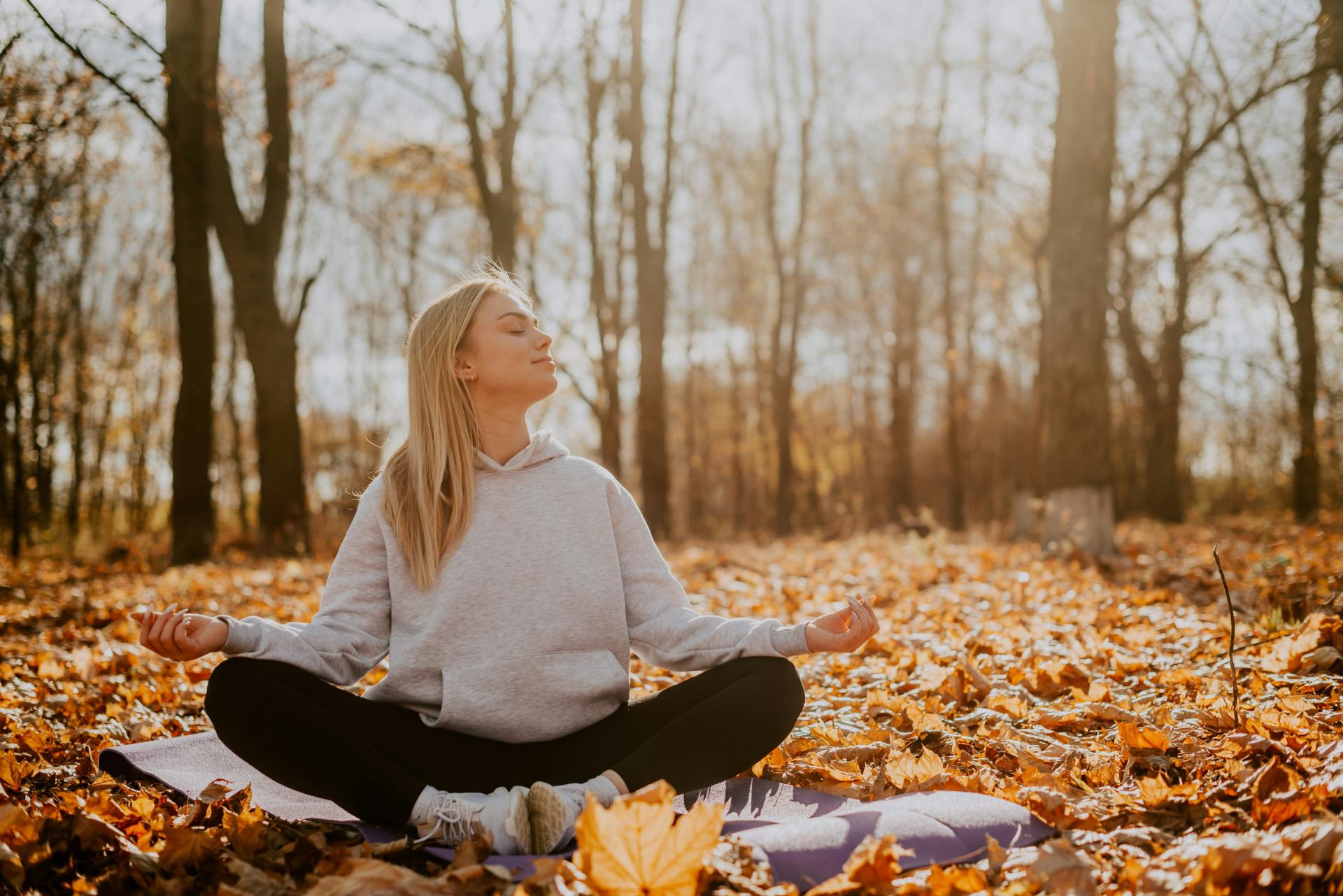
- Breathe intentionally – When you feel tension rising, pause and take three slow, deep breaths.
- Set realistic expectations – For yourself and others. Not everything can be done today.
- Remember that growth takes time – Whether it’s a project, a relationship, or personal change, progress unfolds gradually.
Small moments of patience can have a big impact. They create pauses in an otherwise hectic day and give your mind a chance to reset.
Acceptance as a Strength
Acceptance is often mistaken for passivity, but it actually takes courage. It means facing reality as it is, even when it’s uncomfortable, and choosing to respond thoughtfully rather than react impulsively.
When we stop fighting what we can’t control, we become more flexible and resilient. We handle challenges with greater calm—whether it’s a difficult coworker, a delayed flight, or an unexpected life change. Acceptance allows us to stay grounded even when circumstances are uncertain.
Læs også:

Finding a Calmer Rhythm
Living with patience and acceptance doesn’t mean lowering your ambitions or avoiding change. It’s about finding a pace that allows you to be present in what’s happening now, instead of constantly chasing what’s next.
Start small: schedule fewer tasks in a day, take short breaks between activities, and notice how you talk to yourself when things don’t go as planned. Over time, you’ll find that calm grows—not because the world slows down, but because your way of meeting it does.
Patience and Acceptance as Life Skills
In a culture that celebrates efficiency and achievement, patience and acceptance can seem countercultural. Yet they are essential life skills. They help us stay balanced when life doesn’t follow the script and find contentment in what is, rather than what’s missing.
Learning patience and acceptance isn’t a quick fix—but that’s exactly the point. It’s a gradual process that brings more peace, presence, and perspective. And perhaps that kind of slowness is exactly what our fast-paced world needs most.
Læs også: