Osteopathy – what is it and how can it help?

Health
Health
07/12/2023
Osteopathy – what is it and how can it help?

Health
Health
07/12/2023

You may already have encountered the treatment method of osteopathy at this point.  Perhaps some of your family members, friends, or colleagues have tried this form of treatment before, or maybe you have been suggested osteopathy as an ideal solution for the issues you face in your everyday life. However, osteopathy can be a completely new and unfamiliar concept for many, which may be challenging to understand without some basic facts about this therapy method.  In this article, you will learn more about osteopathy, what makes this treatment so popular, and the specific methods an osteopath uses in their work.

A little bit of history

We'll start with a bit of history. Osteopathy originated as a form of treatment back in the 19th century in the United States.  It was the American doctor Andrew Taylor Still who gradually developed this popular treatment method in an attempt to create an alternative to the existing forms of treatment that did not address physical ailments and injuries as he desired. Instead of relying on medication, the idea was to engage the body's own self-healing mechanisms through manual techniques.  With a considerable understanding of the body's systems, the foundations were laid for what we now know as osteopathy.

A Manual Treatment Method 

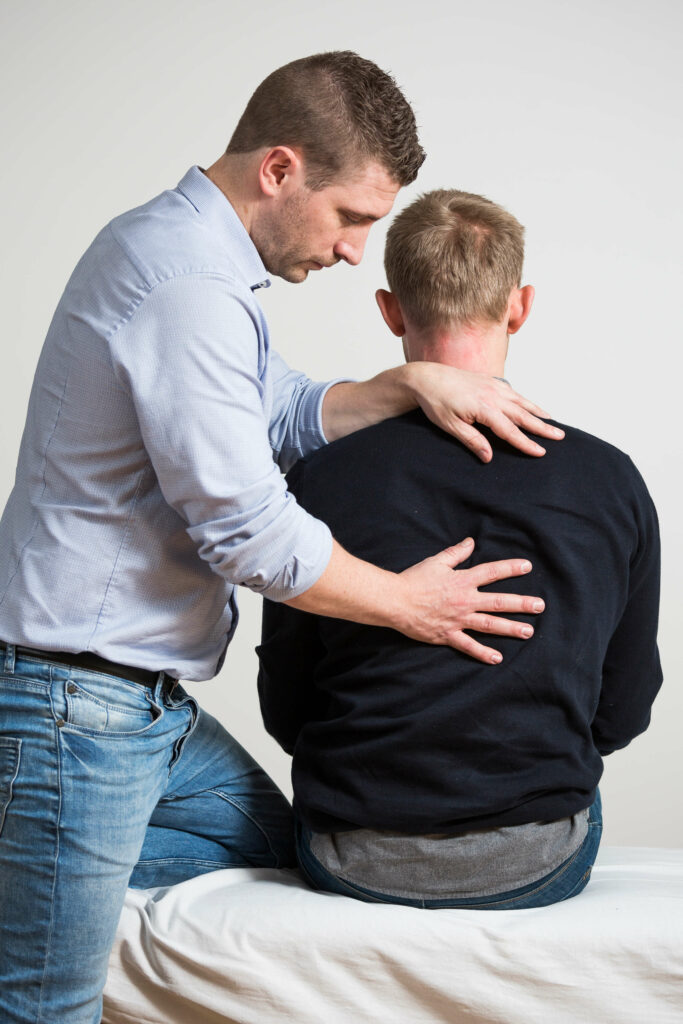
Osteopathy is among the leading manual treatment methods when it comes to physical injuries and discomfort.  When we talk about manual treatments, it refers to a form of therapy where the osteopath does not use tools but relies solely on their hands to pinpoint the cause of your issues. As this method is an extension of physiotherapy, some of the principles from both forms of therapy are similar.  However, osteopathy distinguishes itself by not merely addressing symptoms like physiotherapy but by treating the actual causes of symptoms to ensure as long-lasting results as possible for the patient. In addition to osteopathic principles, practitioners also employ manual techniques from craniosacral therapy to address issues that have arisen around the head.

A Holistic Orientation

Osteopathy sets itself apart from other treatment methods by being holistically oriented.  In other words, it is a form of therapy that does not solely focus on one area of the body but is oriented toward the body as a whole network. It is based on this orientation that osteopathy is among the treatment options with the most enduring results. Instead of symptomatically treating specific areas of the body, the focus is on allowing the body to heal itself and gradually return to its natural and healthy state.

Who Can Benefit from Osteopathic Treatment

As mentioned, osteopathy can be a beneficial therapy method for various symptoms, discomforts, and injuries.  Examples include athletes, parents with their newborn babies, elderly individuals, and everyone in between who avail themselves of this treatment option. The only requirement for an osteopathic session is that you can explain your condition to your practitioner before the treatment.  When did it start, what symptoms do you experience, and where do you feel them? With this information, your manual therapist can begin an examination of the essential areas of the body and determine where the cause of your issues is located.
Patience and Acceptance – The Path to Less Stress in Everyday Life
Discover how patience and acceptance can bring calm and balance to your daily routine
Health
Health
Mindfulness
Stress Management
Personal Growth
Mental Health
Wellbeing
3 min
In today’s fast-paced world, stress often feels unavoidable. This article explores how embracing patience and acceptance can help you slow down, let go of constant pressure, and find a more peaceful rhythm in everyday life.
Alexander Jones
Alexander
Jones
Eat More Climate-Friendly Without Compromising Nutrition
Discover how small changes in your diet can benefit both your health and the planet
Health
Health
Sustainable Eating
Nutrition
Climate-Friendly Diet
Healthy Living
Environment
4 min
Learn how to make your meals more climate-friendly without losing out on nutrition or taste. This article offers practical tips on reducing meat, choosing local produce, cutting food waste, and making smarter food choices that support a sustainable future.
Hazel Frank
Hazel
Frank
Health in Transition: How Life’s Stages Shape Your Needs
Discover how your body and mind evolve through life’s stages—and what it takes to stay healthy along the way
Health
Health
Health
Wellness
Lifestyle
Aging
Self-Care
4 min
From childhood to the senior years, our health needs shift as we grow and change. This article explores how to adapt your habits, mindset, and lifestyle to support well-being at every stage of life.
Kinsley Lee
Kinsley
Lee
New Taste Experiences After Quitting Smoking – Rediscover the Joy of Your Senses
Discover how quitting smoking awakens your senses and transforms everyday experiences
Health
Health
Quitting Smoking
Health
Well-Being
Lifestyle Change
Sensory Experience
5 min
When you stop smoking, your body begins to heal—and so do your senses. Taste and smell return with new intensity, making food, nature, and life itself feel richer and more enjoyable. Learn how this sensory renewal can support your smoke-free journey and enhance your well-being.
Sadie Flores
Sadie
Flores
The Power of Community: Relationships That Promote Health and Prevent Disease
Discover how strong social bonds can boost your health and protect against illness
Health
Health
Community
Health
Well-Being
Relationships
Prevention
3 min
Meaningful relationships are more than emotional support—they are vital to our physical and mental well-being. This article explores how community connections enhance health, prevent disease, and offer a foundation for a longer, happier life.
Harper Reed
Harper
Reed