Check Your Insulation in Time – Avoid Costly Damage Later

Check Your Insulation in Time – Avoid Costly Damage Later
Good insulation isn’t just about comfort – it’s about protecting your home from moisture, mold, and unnecessarily high energy bills. Many homeowners only discover insulation problems after damage has already occurred, leading to expensive repairs. By checking your insulation in time, you can prevent issues and maintain a healthy indoor environment all year round.
Why Insulation Matters
Insulation’s main job is to keep heat inside during winter and outside during summer. But it also plays a key role in controlling moisture. Poor or missing insulation can cause cold surfaces where condensation forms – a perfect breeding ground for mold and rot.
At the same time, a leaky building envelope means you’re spending more on heating and cooling than necessary. According to the U.S. Department of Energy, homeowners can save up to 15% on heating and cooling costs by properly insulating attics, crawl spaces, and basement rim joists.
Signs Your Insulation Needs Attention
It’s not always easy to tell if your insulation is doing its job, but there are several warning signs to look for:
- Uneven temperatures between rooms or cold walls and floors.
- Drafts near windows, doors, or electrical outlets.
- High energy bills, even though your usage hasn’t changed.
- Condensation or damp spots on walls or ceilings.
- Ice dams on the roof in winter – a sign that heat is escaping through the attic.
If you notice one or more of these symptoms, it’s a good idea to have a professional inspect your insulation.
Læs også:
How to Get Your Insulation Checked
An insulation inspection can be done by a home energy auditor or a qualified contractor. They often use thermal imaging cameras to detect where heat is escaping. This type of assessment can reveal missing insulation, air leaks, and moisture problems.
You can also do a quick self-check:
- Inspect the attic – is the insulation evenly spread and dry?
- Check exterior walls – do you feel cold spots or see dark patches?
- Feel for drafts around windows, doors, and outlets.
- Monitor your energy bills – unexplained increases may indicate heat loss.
A professional energy audit typically costs a few hundred dollars, but it can quickly pay for itself through energy savings and improved comfort.
The Most Vulnerable Areas in Your Home
Some parts of the house are more prone to heat loss and moisture issues than others:
- Attic – up to 25% of a home’s heat can escape through an uninsulated or poorly insulated attic.
- Exterior walls – older homes without wall cavity insulation often lose significant heat.
- Floors above crawl spaces or basements – cold floors can signal missing insulation.
- Pipes and ductwork – uninsulated pipes can waste energy and cause condensation.
Focusing on these areas often gives you the biggest return on investment.
When It’s Time to Improve Your Insulation
If your insulation is inadequate, there are several ways to upgrade it, depending on your home’s age, structure, and materials.
- Adding attic insulation is usually the simplest and most cost-effective improvement.
- Blown-in wall insulation can be installed quickly and greatly improve comfort.
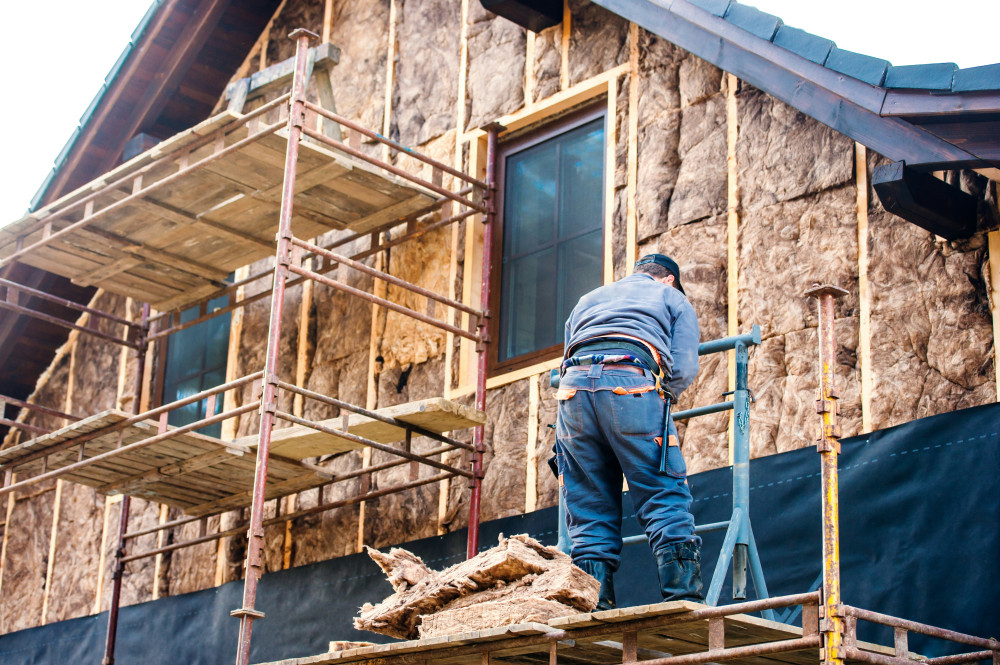
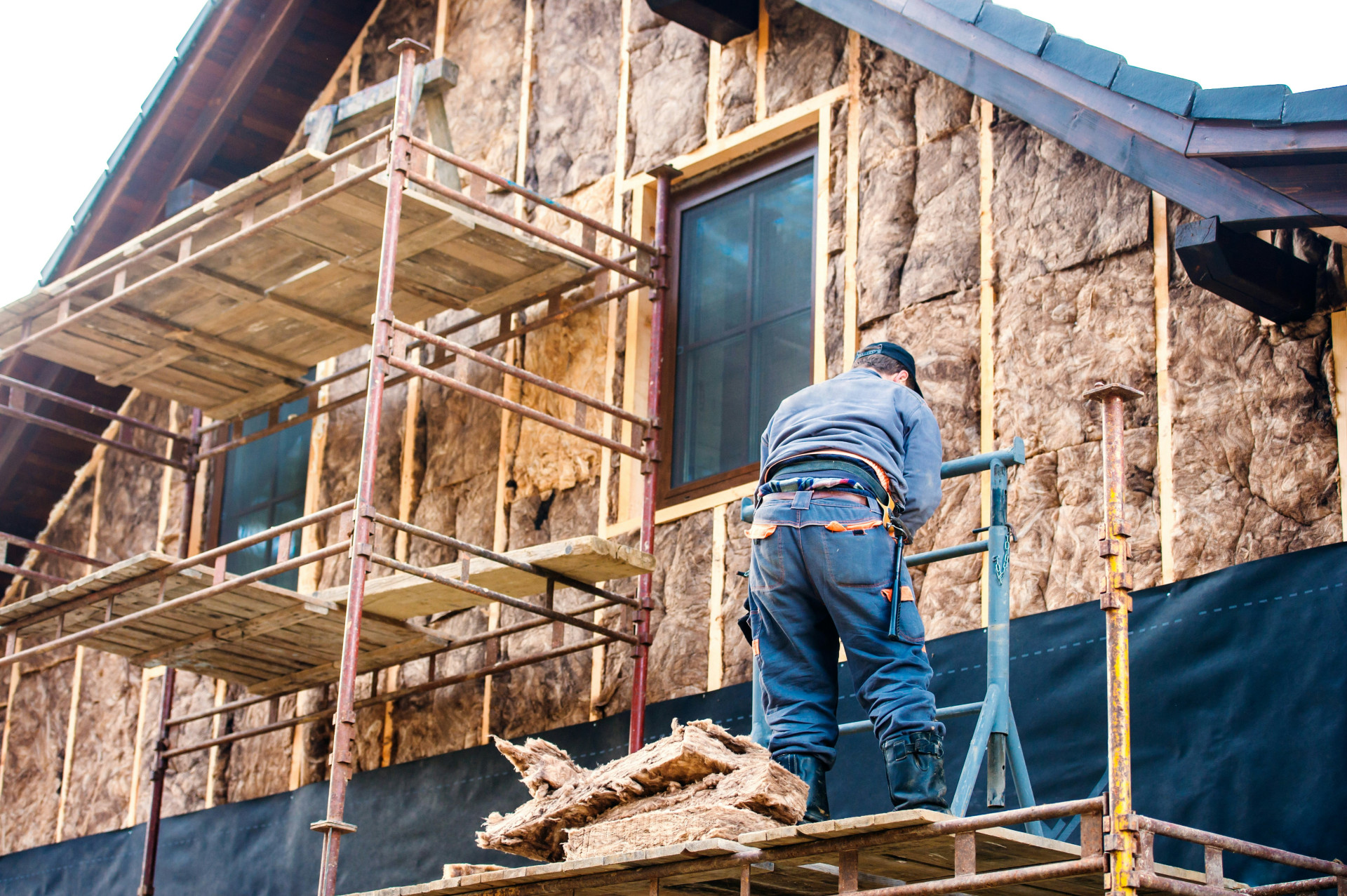
- Exterior wall insulation is more expensive but can enhance both energy efficiency and curb appeal.
- Floor and basement insulation may require more work but can make a big difference in older homes.
Be sure to choose materials that suit your home’s construction and ensure proper ventilation to prevent trapped moisture.
An Investment That Pays Off
While insulation isn’t something you see every day, it’s one of the smartest investments you can make in your home. It reduces energy use, improves comfort, and helps prevent costly damage. It can also increase your property’s value and appeal when it’s time to sell.
Checking your insulation in time isn’t just about saving money – it’s about protecting your home and ensuring it stays safe, comfortable, and efficient for years to come.
Læs også: