Plan Your Construction Project – and Make the Application Process Easier

Plan Your Construction Project – and Make the Application Process Easier
Every construction project – big or small – starts with a solid plan. Whether you’re dreaming of a new garage, a home addition, or building from the ground up, good preparation can save you time, money, and stress. For many homeowners, the most confusing part isn’t the construction itself, but the paperwork and permits. Here’s a guide to help you plan your project and make the application process smoother.
Start with a Realistic Plan
The first step is to define what you want to build – and why. Make a list of your needs and goals, and think about how the project fits your property and lifestyle. Are you looking for more space, better functionality, or an aesthetic upgrade?
Once you have a clear idea, it’s time to look into the practical details:
- Check local zoning laws – these determine what you can build, how tall it can be, and how close it can sit to property lines.
- Review your property’s setbacks and lot coverage limits – these rules affect how much of your land can be built on.
- Plan your budget – include construction costs, design fees, permits, and a cushion for unexpected expenses.
A realistic plan makes it easier to communicate with contractors and local authorities – and helps you avoid costly changes later.
Get Your Documentation in Order
A big part of the permit process is documentation. Your local building department needs to understand what you’re planning and how it will affect your property and surroundings. You’ll typically need:
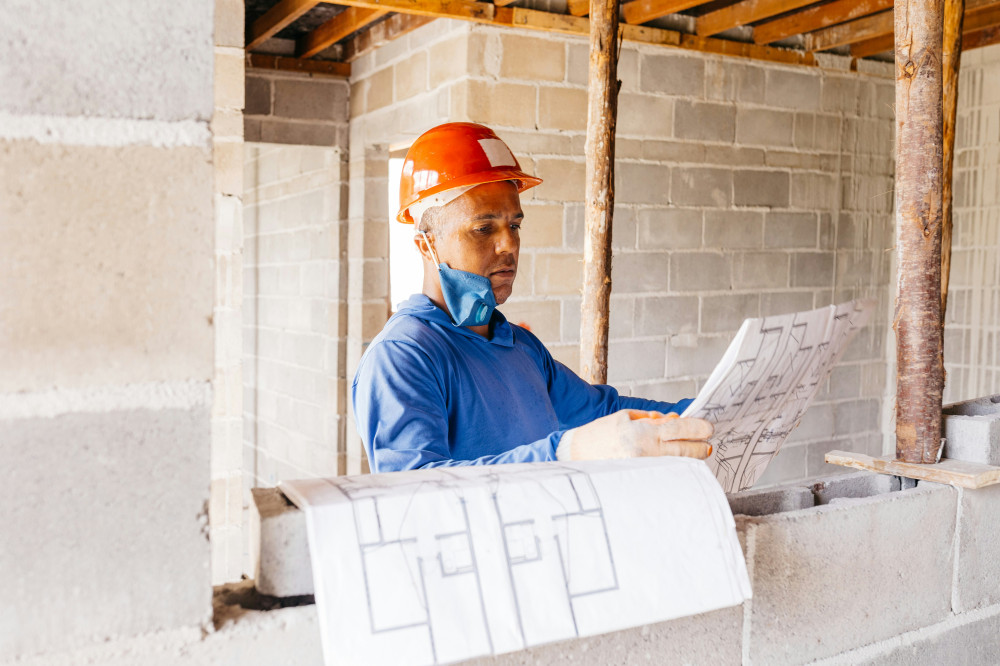
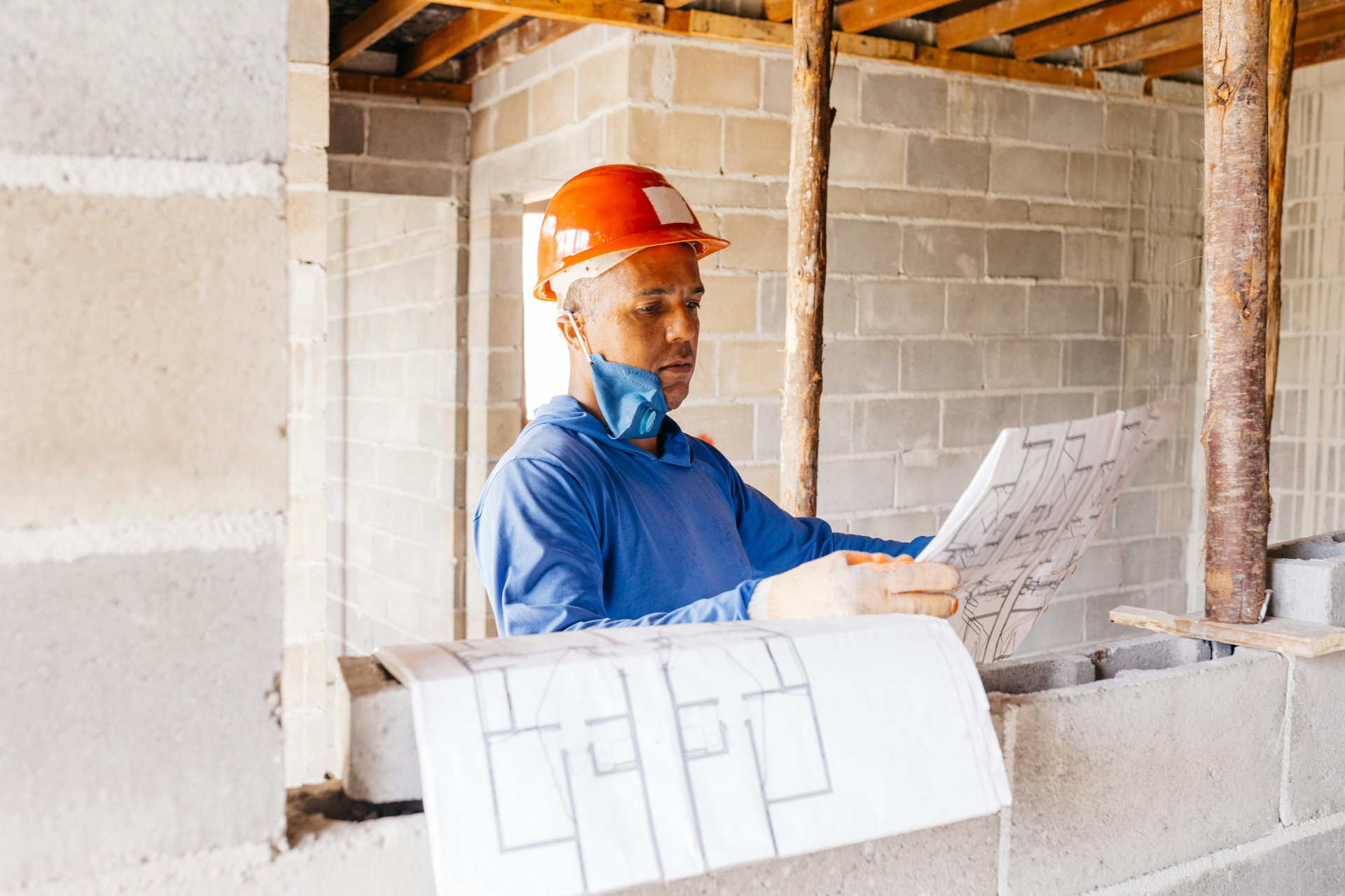
- Site plans and drawings – showing the layout, dimensions, and elevations.
- Descriptions of materials and construction methods.
- Details on the project’s size, height, and location.
- Structural or energy calculations, depending on the scope of the work.
If you’re not experienced with technical drawings, consider hiring an architect or designer. It’s an investment that can prevent delays and revisions later.
Apply Through Your Local Building Department
Most building permits in the U.S. are handled by your city or county’s building department. Many now offer online permit portals, where you can create an account, upload documents, and track your application status.
Before you start, gather all your files and double-check that your plans meet local requirements. Missing information is one of the most common reasons applications are delayed or returned.
Work with Officials – Not Against Them
Building officials and inspectors aren’t obstacles; they’re there to ensure your project meets safety and zoning standards. A cooperative approach can make the process much smoother.
- Be clear and concise when describing your project.
- Respond promptly to requests for additional information.
- Ask questions early – many departments offer pre-application meetings or consultations to help you understand what’s required.
Good communication can significantly shorten review times and prevent misunderstandings.
Consider Professional Help
While many small projects can be managed by homeowners, professional guidance can be invaluable. Architects, engineers, or permit expediters can help with drawings, code compliance, and communication with the building department.
This is especially worthwhile for complex projects, such as structural changes or large additions. Professional help ensures your plans meet building codes and can save you from expensive corrections later.
Læs også:
After You Get the Permit
Once your permit is approved, you can begin construction – but remember that permits usually have expiration dates. You’ll need to start work within a certain timeframe (often six months to a year) and schedule inspections as the project progresses.
Keep all your documentation, including approved plans and inspection reports. You may need them when selling your home or applying for future permits.
Make the Process Manageable – Step by Step
A construction project can feel overwhelming, but breaking it down into steps makes it much easier to handle:
- Define your project – what do you want to build, and why?
- Research local rules – zoning, setbacks, and building codes.
- Create a budget and timeline.
- Prepare drawings and documentation.
- Submit your application to the building department.
- Communicate and follow up during review.
- Build, schedule inspections, and keep records.
Taking it one step at a time helps you stay organized and avoid common pitfalls.
A Successful Project Starts with Preparation
Building isn’t just about materials and labor – it’s about planning, patience, and collaboration. The better prepared you are, the smoother both the application and construction phases will go. With careful planning and the right support, you can turn your building plans into reality – without unnecessary delays or frustration.
Læs også: