The Facade’s Design as Function: Shelter, Light, and Life for the Home

The Facade’s Design as Function: Shelter, Light, and Life for the Home
The facade is the home’s public face – the first impression it gives and the element that defines its architectural character. But beyond appearance, a facade is a vital part of how a house performs. It shields against the elements, manages light and temperature, and influences both comfort and energy use. A well-designed facade can transform a home’s livability, efficiency, and longevity.
The Facade as a Protective Envelope
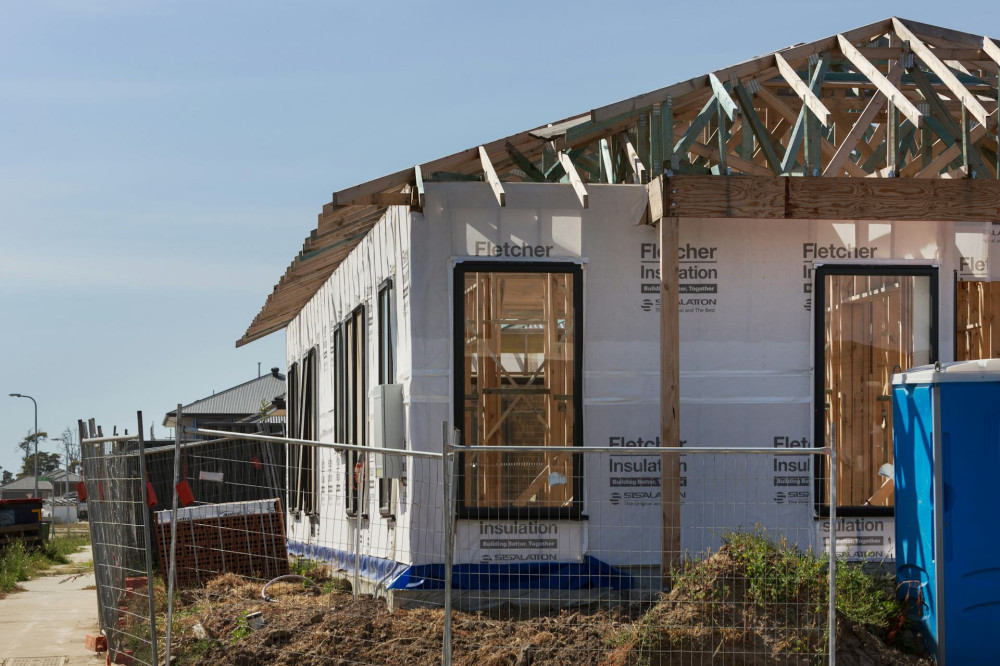
A facade’s primary role is to protect the home from nature’s forces. It must withstand rain, snow, heat, and wind while allowing the structure to breathe. The choice of materials is key to achieving this balance.
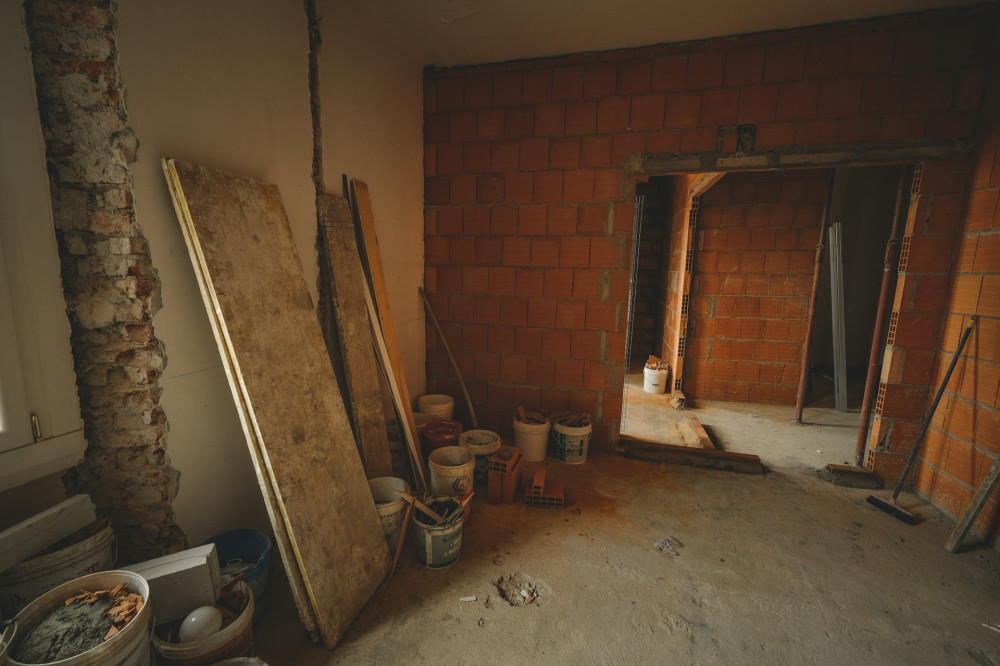
- Brick and masonry are timeless and durable, offering excellent thermal mass that helps stabilize indoor temperatures. They require little maintenance and age gracefully.
- Wood siding brings warmth and texture, fitting beautifully into both rural and suburban settings. However, it needs regular care to resist moisture and sun damage.
- Stucco and cementitious finishes create a clean, modern look but must be properly applied to prevent cracking and water intrusion.
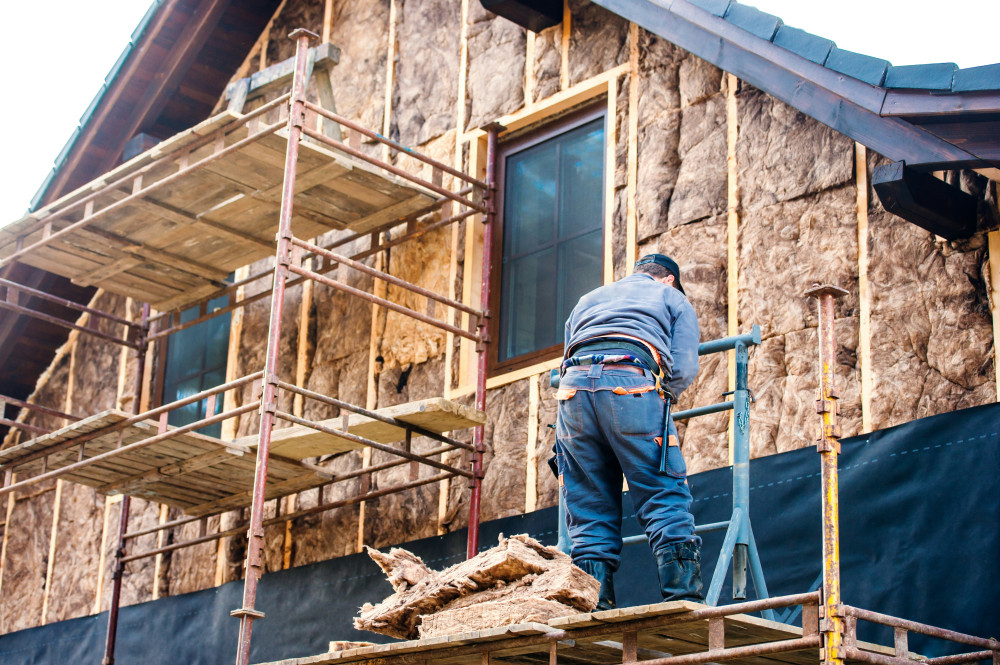
- Ventilated cladding systems, which include an air gap between the outer layer and insulation, are increasingly popular for their ability to manage moisture and extend the life of the structure.
A good facade acts as a climate shield—protecting the home while working in harmony with its structural and mechanical systems.
Light, Orientation, and Indoor Comfort
The design and orientation of the facade determine how daylight enters and moves through the home. Large south-facing windows can flood interiors with light and warmth during winter but may require shading to prevent overheating in summer.
North-facing facades receive softer, more consistent light, ideal for studios, kitchens, or workspaces. East- and west-facing windows capture morning and evening sun, adding variety but also potential glare if not carefully planned.
By mixing window sizes, placements, and shading strategies, homeowners can create a dynamic play of light that follows the rhythm of the day. This not only enhances comfort and mood but also reduces the need for artificial lighting, saving energy in the process.
Shelter and Microclimate Around the Home
A facade doesn’t just shape the interior environment—it also defines the outdoor spaces that surround the home. Thoughtful facade design can create sheltered patios, porches, and courtyards that extend the living area beyond the walls.
Architectural features such as overhangs, recesses, and pergolas can block harsh winds and capture sunlight, forming comfortable microclimates. These spaces can turn a backyard or deck into a year-round retreat.
Surface color and texture also matter: light-colored facades reflect sunlight and help keep surroundings cool, while darker materials absorb heat, creating a cozy atmosphere in cooler months.
When Form Meets Function: The Aesthetic Dimension
While performance is essential, the facade’s visual expression gives a home its personality. Materials, colors, and proportions should complement the architecture and the surrounding landscape.
Modern homes often combine glass, metal, and wood for contrast and depth, while traditional designs may favor brick, stone, or stucco for a sense of permanence. The key is coherence—materials and details should work together to enhance the home’s proportions and character.
Mixing materials can add richness and variety: a wood-clad rear elevation facing the garden can feel warm and inviting, while a more solid masonry front provides privacy and durability.
Læs også:
Sustainability and Maintenance
A beautiful facade should also be built to last. Choosing materials with long lifespans and low maintenance needs reduces both environmental impact and long-term costs.
Sustainably harvested wood, recycled brick, or composite panels made from reclaimed materials are examples of eco-conscious choices that don’t compromise aesthetics. In many regions of the U.S., homeowners are also turning to fiber-cement siding and metal panels for their resilience and recyclability.
Maintenance should be part of the design conversation. A facade that requires frequent repainting or sealing can become burdensome, while materials that weather naturally—developing a patina over time—can age gracefully with minimal effort.
The Facade as the Home’s Story
A facade is more than a shell—it tells the story of the home and the people who live there. It reflects how function, beauty, and sustainability can coexist in everyday architecture.
When thoughtfully designed, the facade provides not only shelter and light but also life. It connects indoors and outdoors, balances protection with openness, and turns the simple act of dwelling into an experience of comfort, character, and harmony.
Læs også: