How to Create a Natural Transition Between the Outdoors and an Addition

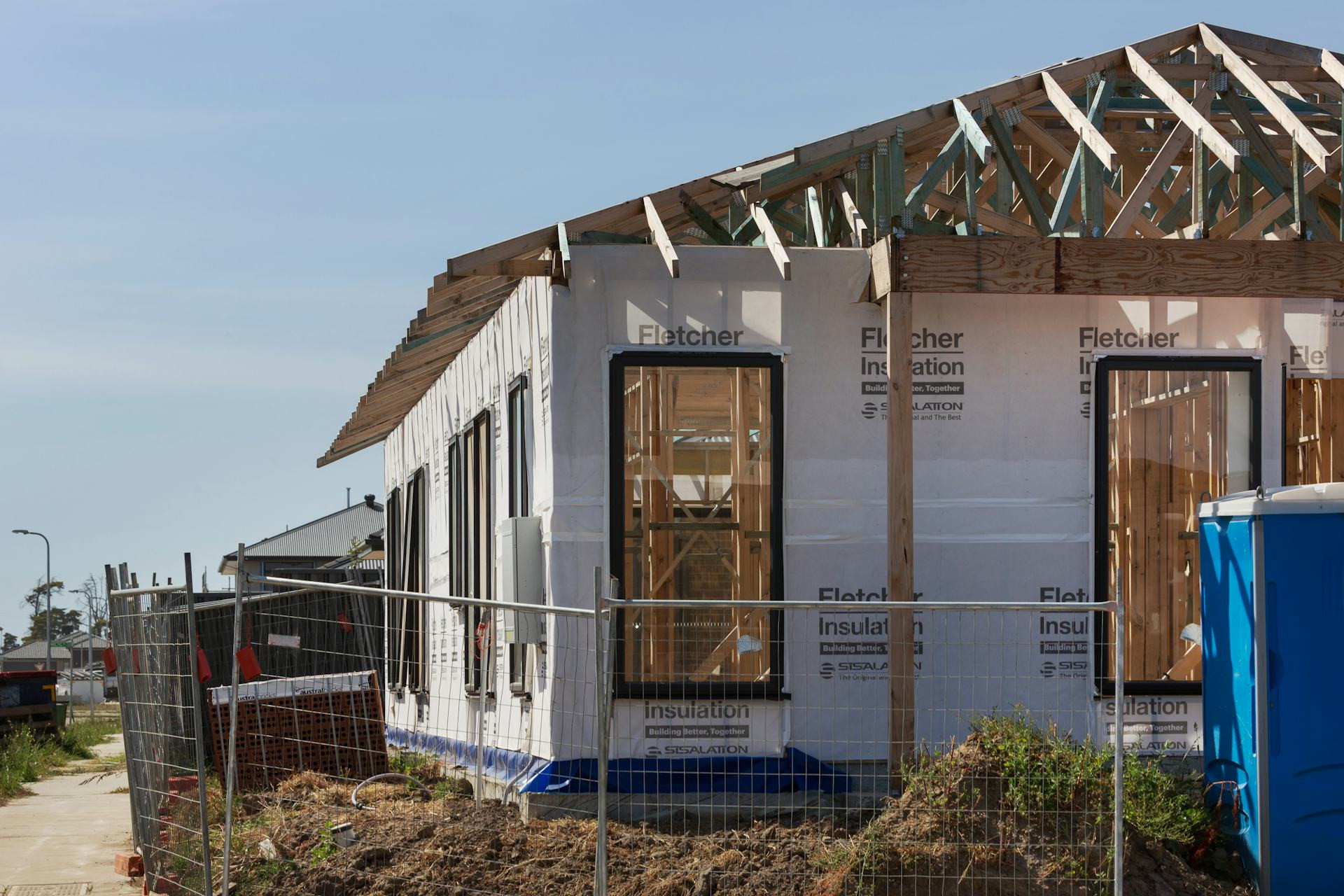
How to Create a Natural Transition Between the Outdoors and an Addition
When you add on to your home, it’s about more than just extra square footage — it’s about creating flow and harmony. A well-designed addition should feel like a natural extension of your existing home and the landscape around it. The transition between the outdoors and the new space plays a key role in both aesthetics and comfort. Here’s how to design an addition that connects seamlessly with your outdoor environment and feels like it’s always been part of your home.
Think Holistically from the Start
A successful transition begins in the planning phase. Consider your home, the addition, and your yard as one cohesive project. Think about how light, materials, and movement will flow between spaces.
- Placement and orientation: Pay attention to how the addition faces the sun, prevailing winds, and views. A south-facing wall with large windows or sliding doors can bring in natural light and connect the interior to the backyard.
- Architectural consistency: Choose shapes, proportions, and rooflines that complement your existing home. You can still give the addition a modern touch, as long as there’s a clear visual relationship between old and new.
An architect or designer can help you strike the right balance so your addition enhances your home’s character while feeling fresh and functional.
Use Materials That Bridge Indoors and Out
Material choices have a huge impact on how natural the transition feels. Repeating or coordinating materials inside and out creates visual continuity and calm.
- Wood adds warmth and texture. Use it for siding, decking, and even interior ceilings or floors to create a unified look.
- Stone or tile can extend from the interior floor out onto a patio, blurring the line between inside and outside.
- Colors and finishes should complement each other. If your home has light brick or painted siding, choose materials for the addition in similar tones for a soft, cohesive transition.
Even small details — like matching trim, door hardware, or window frames — can help tie everything together.
Embrace Glass and Open Connections
Glass is one of the most effective tools for creating a natural flow between indoors and outdoors. Large windows, sliding glass doors, or folding walls open up the space and invite nature in.
When the doors are open in summer, your patio becomes an extension of your living room. In winter, the glass provides views of the landscape and fills the space with daylight, making it feel bright and alive.
Consider adding covered areas such as a pergola, overhang, or sunroom to create an in-between space where you can enjoy fresh air while staying sheltered from the elements.
Læs også:
The Patio as a Bridge
A patio or deck often serves as the physical and visual link between the addition and the yard. It’s the perfect transitional zone between indoor comfort and outdoor living.
- Keep the same floor level as the interior to create a smooth, step-free transition.
- Incorporate greenery close to the house — planters, garden beds, or trellises can bring nature right up to the walls.
- Create zones for different activities, such as dining, lounging, or gardening, to make the space dynamic and inviting.
A well-designed patio can make your addition feel like part of the landscape — and your yard feel like part of your home.
Light, Shade, and Atmosphere
Light plays a major role in how the transition between indoors and outdoors is experienced. Work with both natural and artificial lighting to create mood and continuity.
- Add outdoor lighting to the façade or patio so your home feels cohesive even after dark.
- Use skylights or clerestory windows to draw daylight deep into the addition.
- Play with shade and shadow using trees, louvers, or roof overhangs to create a dynamic interplay of light throughout the day.
When light moves naturally through the spaces, the transition feels organic and comfortable.
Bring Nature into the Design
Plants and natural elements soften the boundary between indoors and outdoors. An addition that opens toward the yard can benefit from landscaping that hugs the structure or even integrates with it.
- A green roof can help the addition blend into its surroundings.
- Climbing plants or trellises can add life and texture to exterior walls.
- Inside, continue the theme with large potted plants or even a small sunroom that connects the home to the garden.
When nature is part of the design, the transition becomes not just physical but sensory — something you can see, feel, and enjoy every day.
An Addition That Feels Like Home
The best additions are those that feel as though they’ve always belonged. Achieving that sense of unity takes thoughtful planning and attention to detail, but the result is worth it — a home where indoors and outdoors flow together naturally.
By thinking holistically about materials, light, and movement, you can create an addition that not only expands your living space but also strengthens your connection to the natural world right outside your door.
Læs også: